


Digital Download
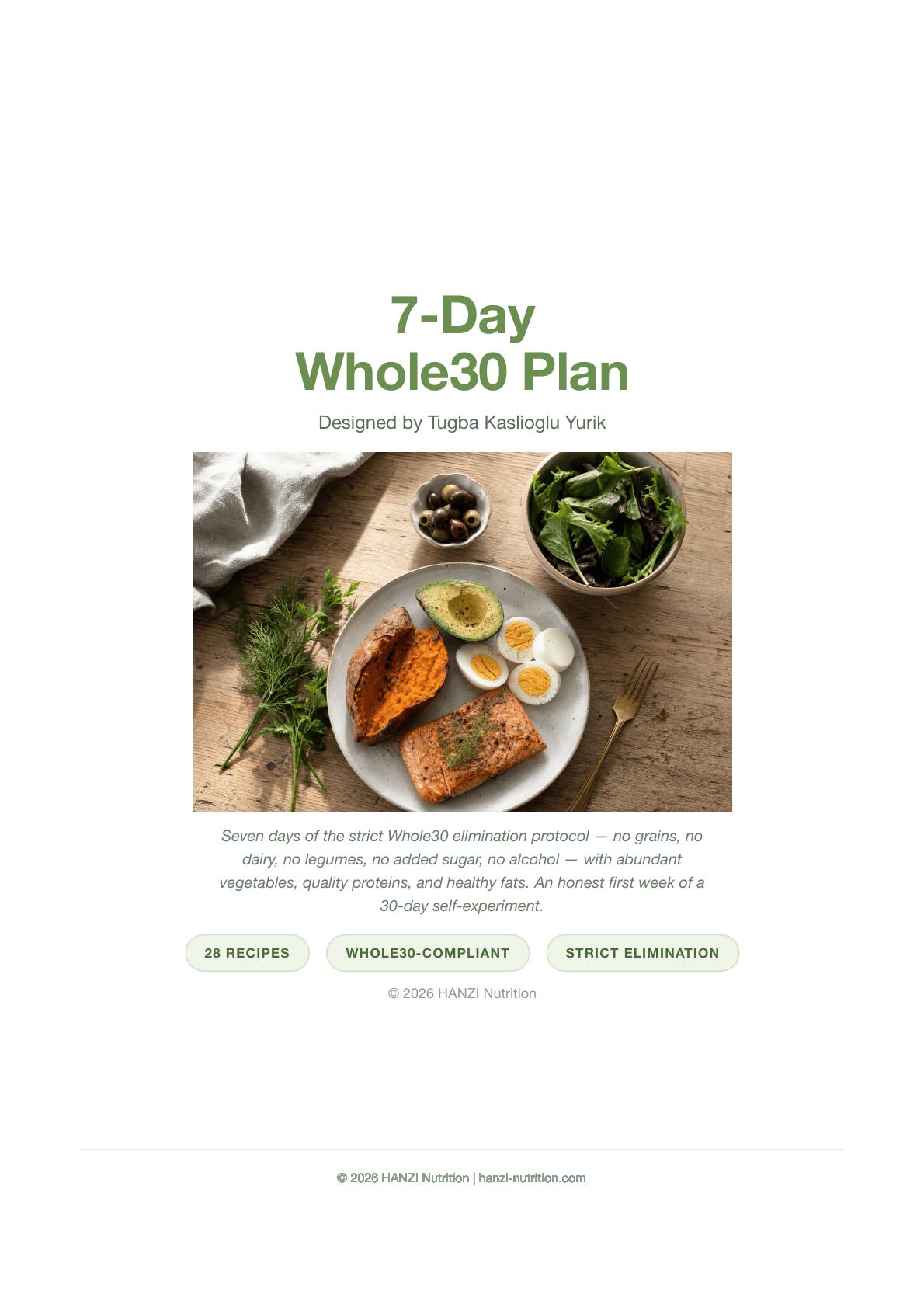
7-Day Whole30 Sampler Plan
€3.99
A seven-day Whole30-aligned starter — no added sugar, no grains, no legumes, no dairy, no alcohol, no seed oils. Built for people considering the full 30-day Whole30, or anyone wanting a one-week rese...
1
Secure Payment
Instant Download
Satisfaction Guaranteed
What You'll Get
- Downloadable PDF (36 pages)
- 28 unique recipes (21 mains + 7 snacks)
- 7-day sample rotation
- Weekly shopping list
- Activity-Level Addendum (BMR + portion scaling)
- 4 cited references
From Tugba
Whole30 is an elimination protocol — 30 days of removing the foods most commonly tied to inflammation, gut symptoms, and energy fluctuations, then reintroducing them one at a time to see how your body responds. This isn’t a long-term diet. It’s a structured self-experiment. This 7-day plan is the first week: enough to get past the early discomfort, settle into a rhythm, and start noticing changes. Read every label. When something has sugar, soy, dairy, grains, or legumes hiding in it, it’s out. The point isn’t restriction for its own sake — it’s a clean baseline so reintroduction tells you something.
— Tugba
Plan at a Glance
Daily macronutrient split
Fat — 45%
Protein — 25%
Carbs — 30%
Target: ~1,700 kcal/day — scaleable via the included Activity-Level Addendum.
28 RecipesWhole30-CompliantStrict Elimination
Clinical Foundations
The evidence behind this plan, and what the data does and doesn't show
Whole30 is a 30-day strict elimination protocol developed by Melissa and Dallas Hartwig in 2009, designed as a self-experimental framework rather than a long-term diet. For 30 days you eliminate grains, dairy, legumes (including peanuts and soy), all added sugar (including honey, maple syrup, agave), alcohol, MSG, sulfites, carrageenan, and most baked goods, while emphasising whole vegetables, fruits, meat, seafood, eggs, nuts, seeds, and healthy fats. Reintroduction is then structured: foods are added back one group at a time to identify individual responses.
What the evidence supports
The components of Whole30 align with anti-inflammatory dietary patterns that have evidence: increased omega-3 intake (Calder, 2017), higher vegetable and polyphenol intake, lower refined-sugar and refined-grain intake, and elimination of common food triggers. Many participants report improved energy, sleep, digestion, and skin clarity. Short-term elimination protocols can be a useful structured tool for identifying food intolerances (Ortolani & Pastorello, 2006). The reintroduction protocol is the most clinically valuable feature.
What the evidence does not robustly support
Whole30 itself has not been studied in randomised controlled trials — the protocol is supported by the Hartwigs’ book, anecdote, and adjacent anti-inflammatory diet research, not direct RCT evidence. Claims of “reset” or systemic detoxification are marketing language, not physiology. There is no metabolic or hormonal “reset” that 30 days of elimination achieves; what you may notice is reduced symptoms tied to specific food triggers, which is information, not a system reset. Long-term strict adherence is not recommended and can foster a restrictive relationship with food.
This plan
Targets ~1,700 kcal/day with macros at roughly 45% fat / 25% protein / 30% carbohydrate. Each day includes 3 substantial meals plus one Whole30-compliant mini-meal (protein + fat + vegetable — not a snack of fruit or nuts alone). Designed for the first week of a 30-day Whole30 attempt: the hardest week, when symptoms can include fatigue, headache, or sugar cravings as your body adjusts. If you’re using this as a one-off elimination week rather than committing to 30 days, you still get a clean baseline.
⚠ Who this plan isn’t designed for
This plan isn't designed for: pregnant or breastfeeding women (energy needs differ; supervision required); active or history of eating disorders (the elimination structure can intensify food-rule fixation); children and adolescents (growing bodies need broader food acceptance); type 1 diabetes without close medical supervision; people with kidney disease (animal-protein load may be too high); anyone on medications adjusted for carbohydrate intake (insulin, sulfonylureas) without prescriber input; people for whom strict food rules increase anxiety or feel triggering — a less rigid approach may be more sustainable.
If any of the above applies, please talk with your physician before starting this plan.
If any of the above applies, please talk with your physician before starting this plan.
Tips for Success
- Read every label, every time. Sugar, soy, dairy, legumes hide everywhere — in deli meats, broths, dressings, sausages, even some teas. If you can’t read the label, it’s out for now.
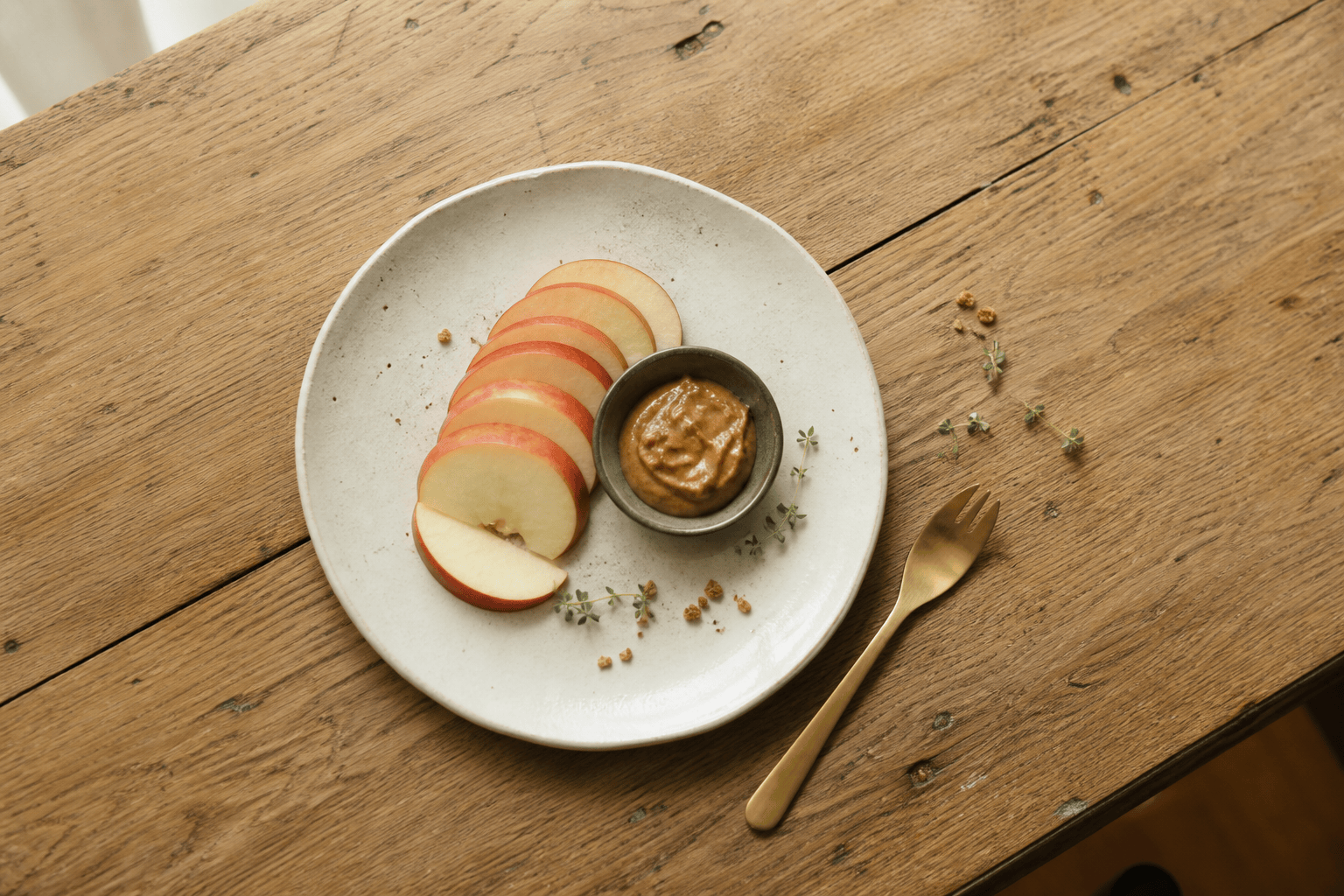
- Plan your mini-meals. If you wait until you’re hungry between meals, you’ll find an out-of-protocol option. Hardboiled eggs, leftover meat, olives, and cucumber are your friends.
- Cook in batches Sunday. A roast, a sheet pan of vegetables, hardboiled eggs, and a dressing or two on Sunday afternoon make weekday meals 15 minutes instead of 45.
- Days 2–4 can be hard. Carb cravings, headache, fatigue — this is normal as your body adjusts. Eat enough at meals (don’t go light), drink water, sleep extra, and ride it out.
- Compliant fats are not the enemy. Avocado, olive oil, nuts, olives, fatty fish, ghee — these are core to satiety on Whole30. Don’t accidentally end up on a low-fat low-carb regime.
- If you slip, restart from the day you slipped. Whole30 is designed to be 30 strict days for the reintroduction protocol to mean anything. One bite of bread on day 5 means restarting from day 5, not abandoning the whole thing.
- Plan for the reintroduction phase. Days 31–40 are where the value lives — reintroducing foods one at a time tells you what actually affects you. If you skip reintroduction, you’ve just done 30 days of restriction for no clinical reward.
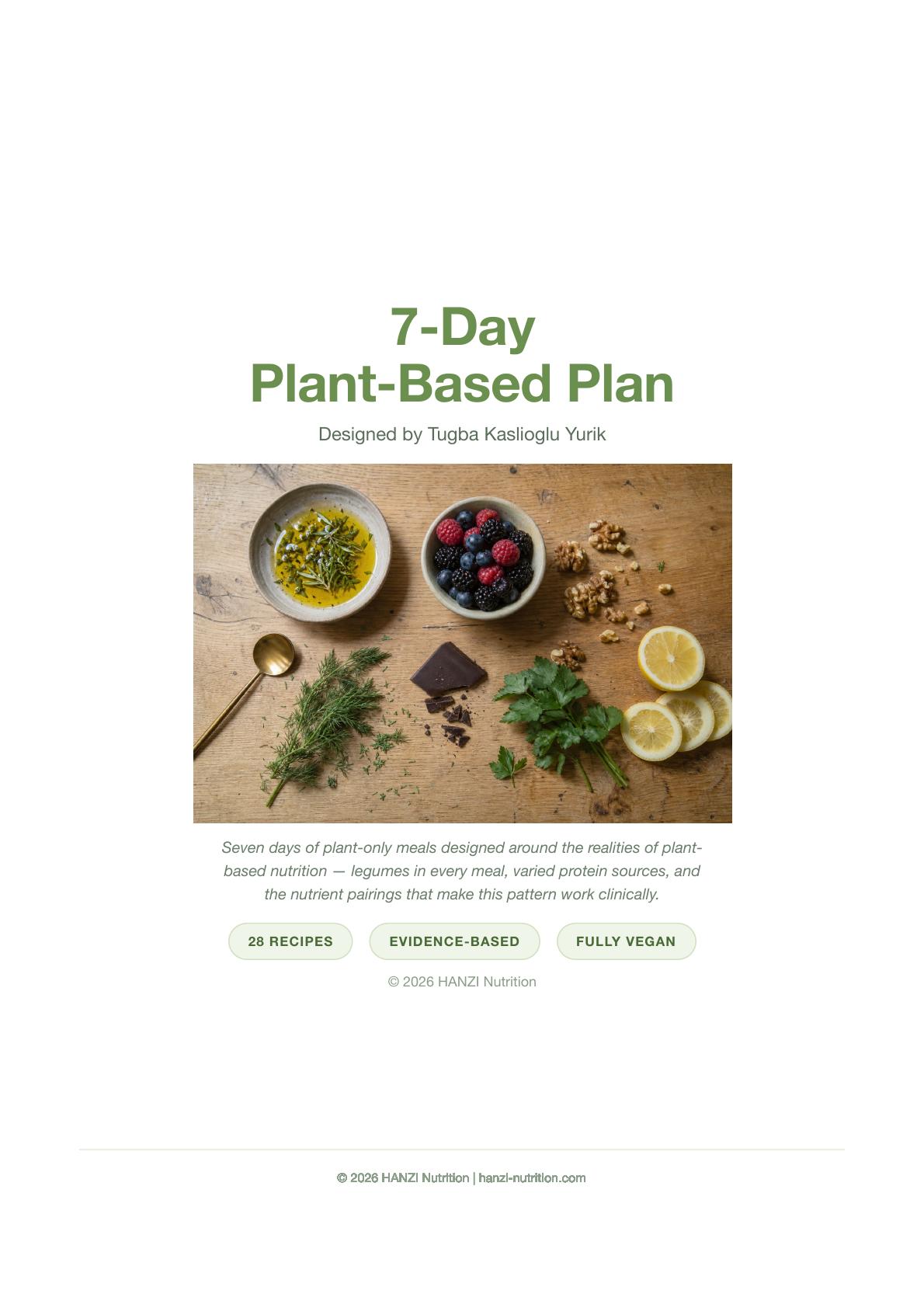
7-Day Plant-Based Plan
Seven days of whole-food plant-based eating — legumes, whole grains, leafy green...
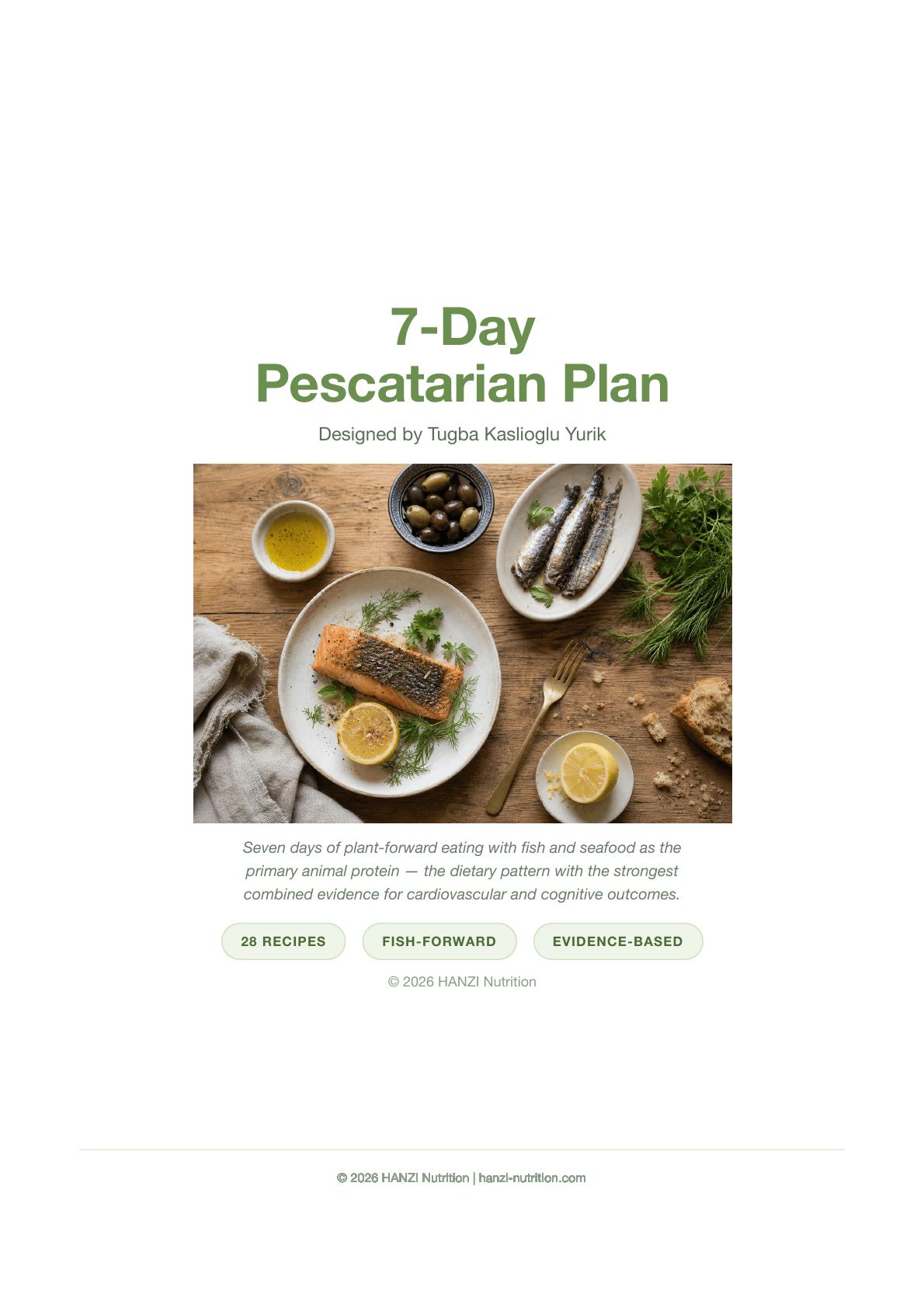
7-Day Pescatarian Plan
Seven days of fish-anchored, plant-forward eating. Omega-3-rich, plant-protein-s...
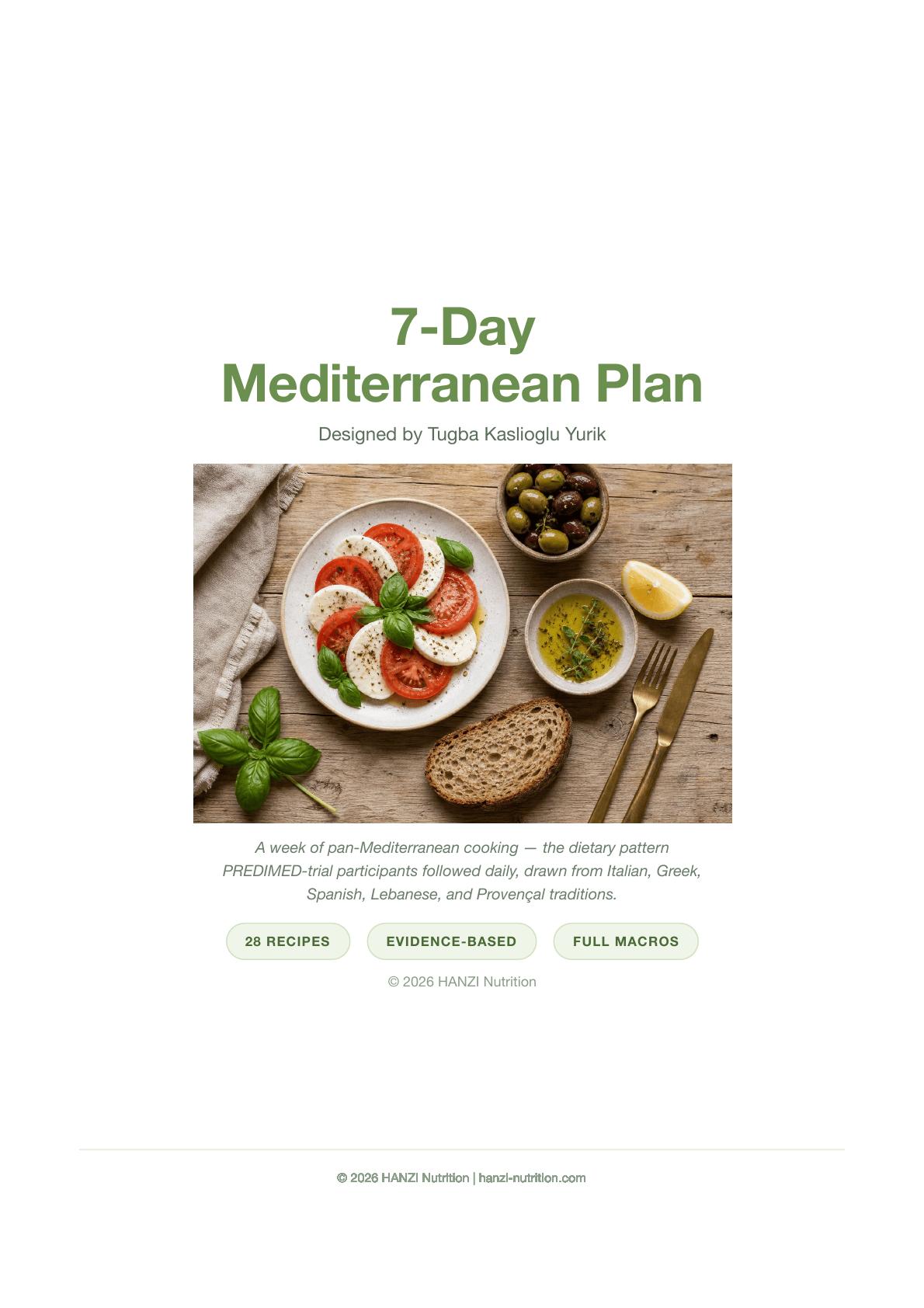
7-Day Mediterranean Plan
Seven days of Mediterranean-pattern eating — olive oil daily, fish twice weekly,...
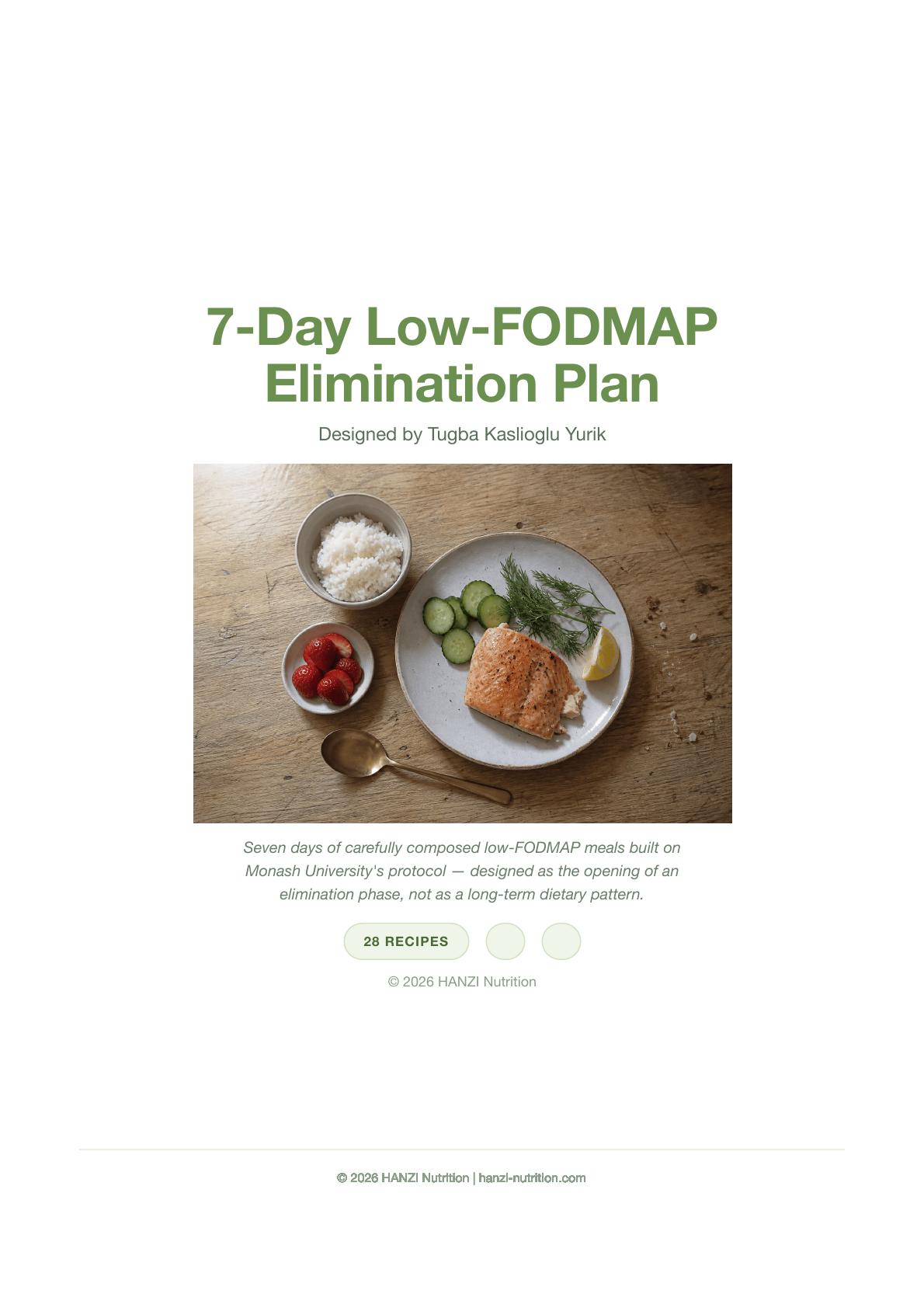
7-Day Low-FODMAP Plan
Seven days of Monash-aligned low-FODMAP eating for IBS-prone digestive systems. ...