
Digital Download
7-Day Pescatarian Plan
€3.99
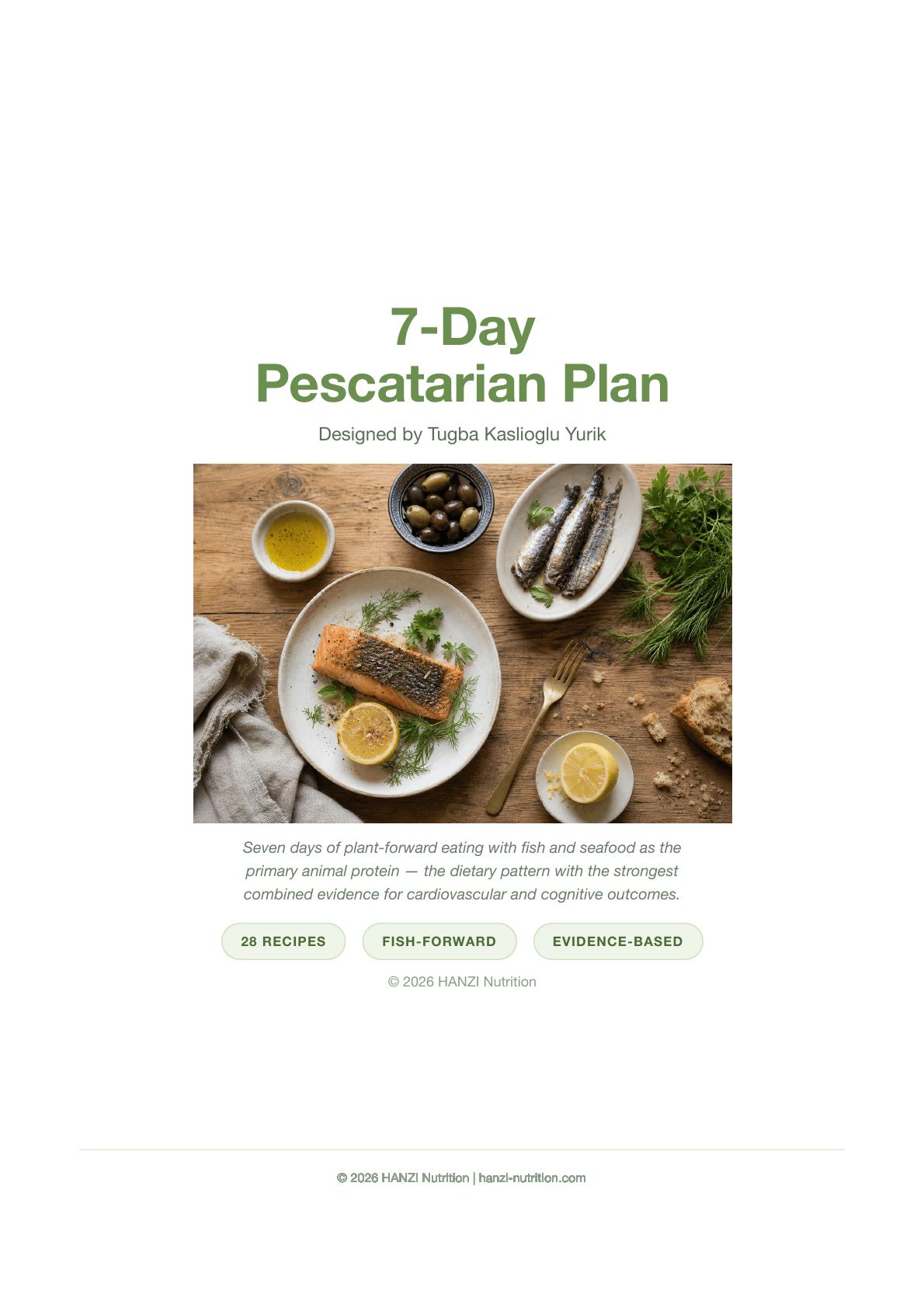
Seven days of fish-anchored, plant-forward eating. Omega-3-rich, plant-protein-supported, no land meat. A natural entry point for people transitioning toward Mediterranean or plant-based patterns.
1
Secure Payment
Instant Download
Satisfaction Guaranteed
What You'll Get
- Downloadable PDF (33 pages)
- 28 unique recipes (21 mains + 7 snacks)
- 7-day sample rotation
- Weekly shopping list
- Activity-Level Addendum (BMR + portion scaling)
- 4 cited references
From Tugba
Pescatarian eating sits at the intersection of two evidence bases: the Mediterranean pattern (plant-forward) and the omega-3 literature (fish-forward). Compared with both omnivorous and strict vegan patterns, pescatarians in long cohorts have lower all-cause mortality, lower cardiovascular disease, and lower type-2 diabetes risk. This 7-day plan delivers fish or seafood once or twice daily, anchored on the species and preparations the literature actually supports.
— Tugba
Plan at a Glance
Daily macronutrient split
Fat — 28%
Protein — 22%
Carbs — 50%
Target: ~1,700 kcal/day — scaleable via the included Activity-Level Addendum.
28 RecipesFish-ForwardEvidence-Based
Clinical Foundations
The evidence behind this plan, and what the data does and doesn't show
A pescatarian dietary pattern excludes land animal flesh (no beef, pork, chicken, lamb) but includes fish, seafood, eggs, and dairy alongside plant foods. It overlaps substantially with the Mediterranean pattern, with stronger emphasis on long-chain omega-3 fatty acids (EPA, DHA) from oily fish.
What the evidence supports
EPIC-Oxford and similar cohorts associate pescatarian patterns with lower ischaemic heart disease and all-cause mortality compared to regular meat-eaters (Crowe et al., 2013). Adventist Health Study-2 found pescatarians had the lowest mortality of any dietary pattern studied (Orlich et al., 2013). Fish consumption (2+ servings weekly) is independently associated with lower cardiovascular events (Mozaffarian & Rimm, 2006).
What the evidence does not robustly support
“Eat more fish” isn't a panacea. Mercury content varies by species (lower in salmon, sardines, anchovies, trout; higher in king mackerel, swordfish, large tuna) and matters more during pregnancy and for young children. Farmed salmon's omega-3 content varies; wild-caught is reliably higher. Fish allergy and sustainability concerns are legitimate considerations.
This plan
Targets ~1,700 kcal/day with macros at roughly 50% carbohydrate / 22% protein / 28% fat. Fish or seafood features in 10 of 21 main meals; the rest lean on legumes, eggs, and dairy. Wild-caught salmon, sardines, mackerel, trout, anchovies, mussels, and shrimp dominate; high-mercury species are minimal. Designed for adults seeking the cardiovascular and cognitive benefits of fish-forward eating without giving up dairy and eggs.
⚠ Who this plan isn’t designed for
This plan isn't designed for: confirmed fish or shellfish allergy; pregnancy or breastfeeding without species-specific guidance (mercury and listeria concerns — avoid raw fish, limit high-mercury species); people on blood thinners without physician coordination (high omega-3 intake can affect coagulation); active eating-disorder history; strict religious or ethical vegetarian commitments (this plan includes animal foods).
If any of the above applies, please talk with your physician before starting this plan.
If any of the above applies, please talk with your physician before starting this plan.
Tips for Success
- Aim for 2 oily-fish meals per week, minimum. Salmon, sardines, mackerel, trout, anchovies. The EPA/DHA in oily fish drives the cardiovascular signal.
- Vary your fish species across the week. Different fish carry different nutrients (selenium, iodine, B12, omega-3 ratios). Variety also caps mercury exposure.
- Wild-caught when affordable and available; farmed otherwise. Wild salmon has more omega-3, but farmed salmon is still a net positive. Don't let perfect be the enemy of good.
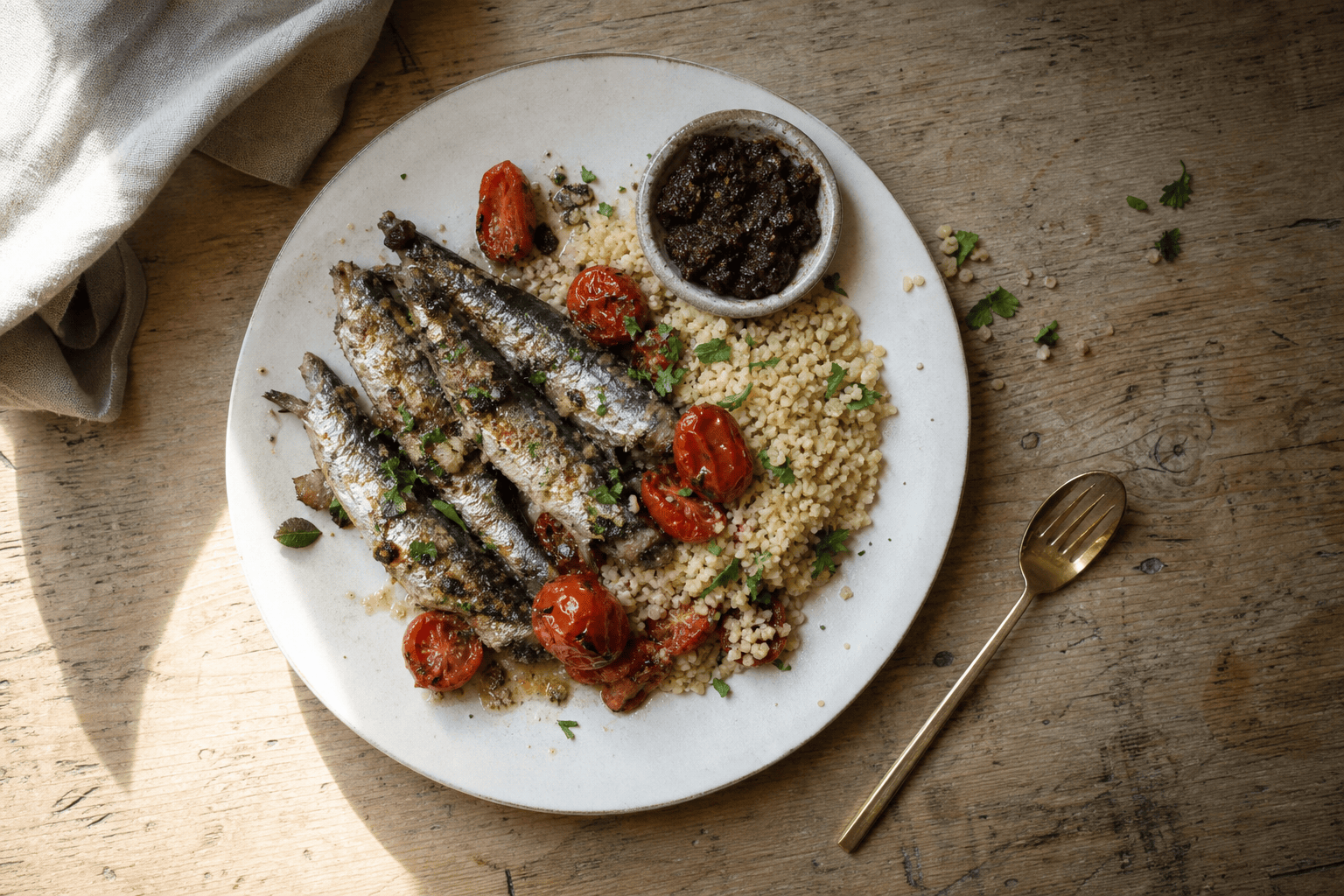
- Anchovies, sardines, mackerel are nutritional bargains. Cheap, sustainable, high in omega-3 and calcium (with bones). Don't dismiss them.
- Shellfish are excellent and underused. Mussels, clams, oysters are sustainable, low in mercury, high in B12, zinc, and selenium.
- Don't fry your fish. Pan-sear, bake, grill, poach, broil. Deep frying largely undoes the cardiovascular signal of fish.
- Keep plant foods central. Pescatarian is not 'meat with extra steps'. Vegetables, legumes, whole grains, fruits do most of the work. Fish is the supplement, not the star.
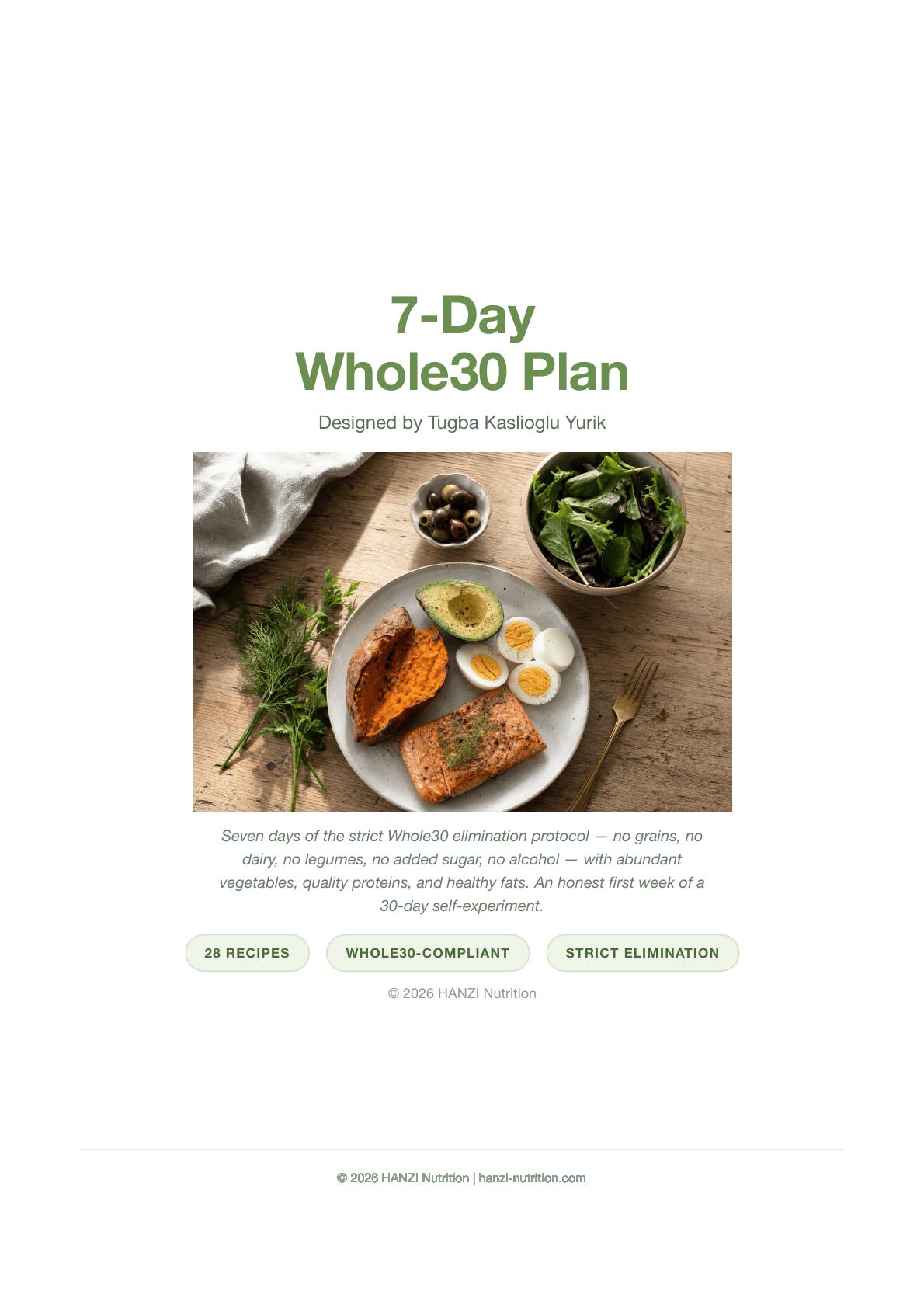
7-Day Whole30 Sampler Plan
A seven-day Whole30-aligned starter — no added sugar, no grains, no legumes, no ...
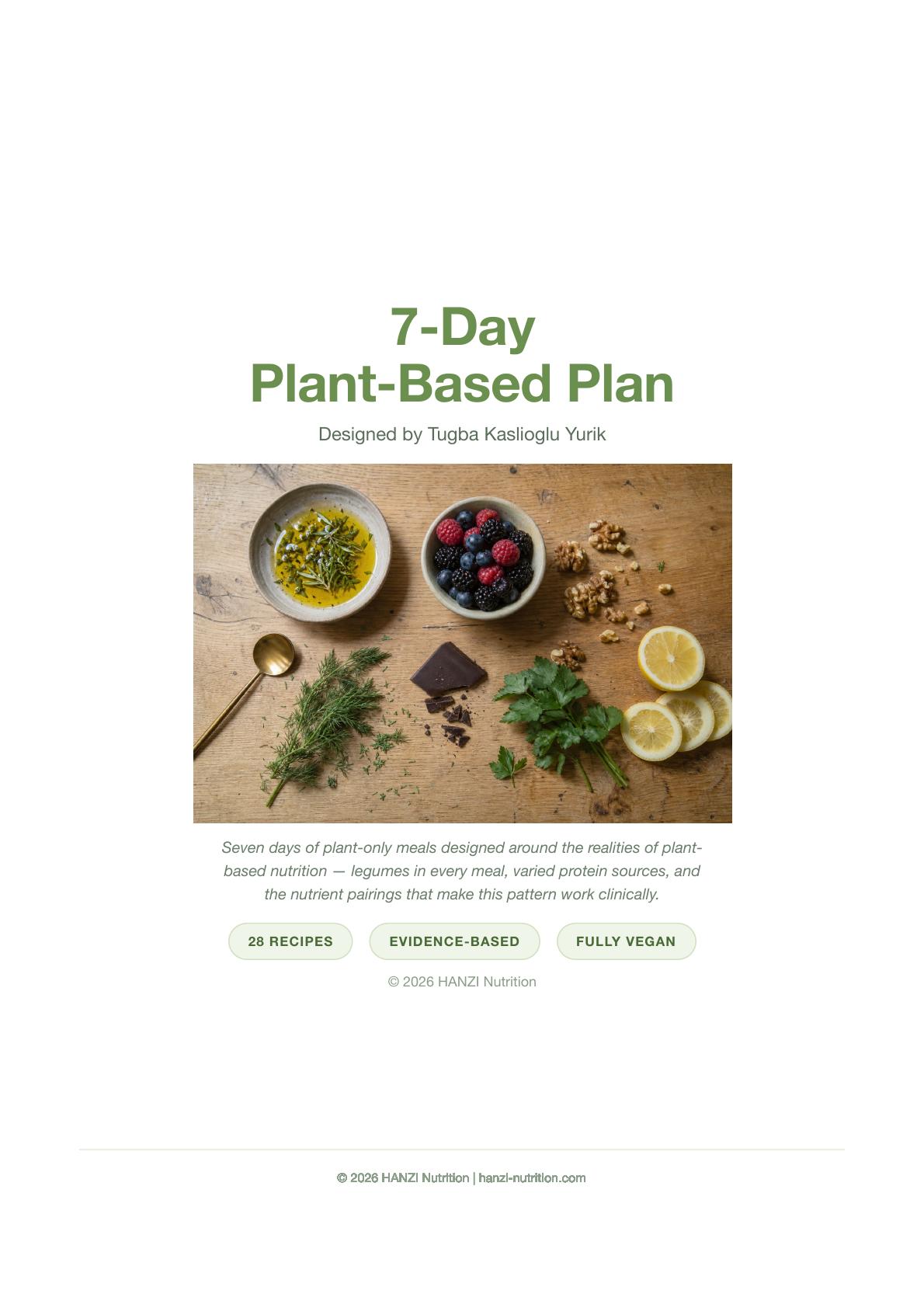
7-Day Plant-Based Plan
Seven days of whole-food plant-based eating — legumes, whole grains, leafy green...
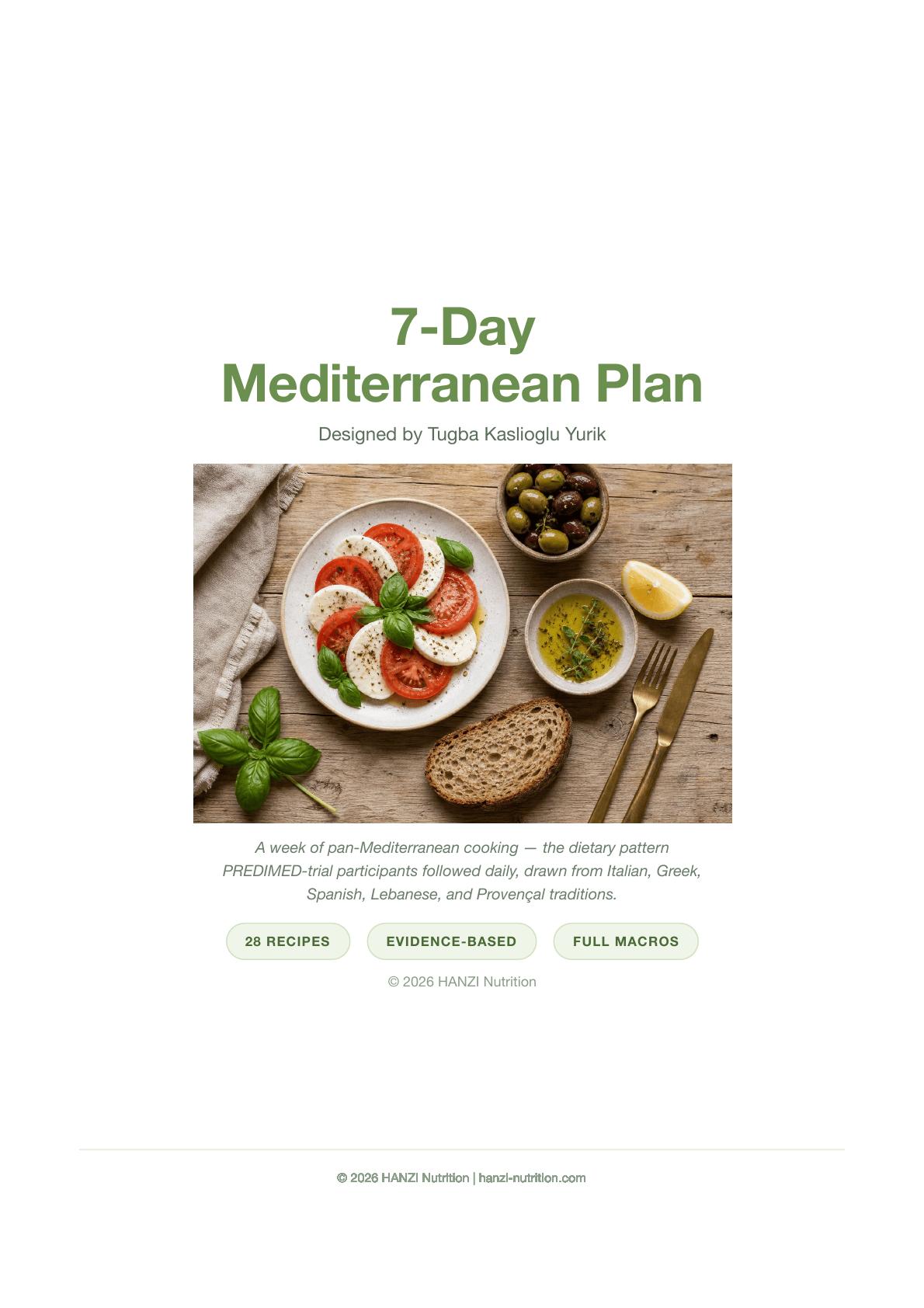
7-Day Mediterranean Plan
Seven days of Mediterranean-pattern eating — olive oil daily, fish twice weekly,...
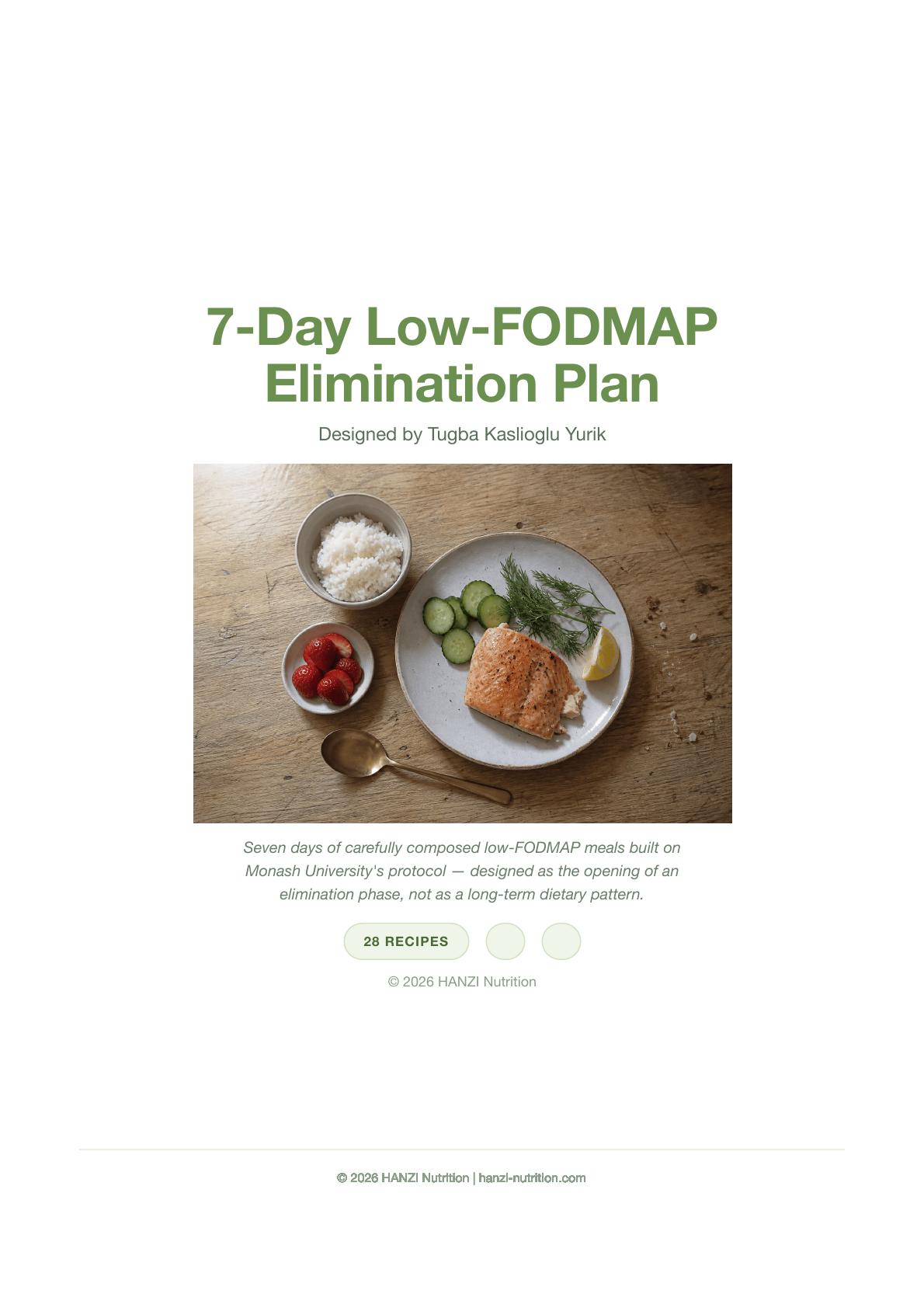
7-Day Low-FODMAP Plan
Seven days of Monash-aligned low-FODMAP eating for IBS-prone digestive systems. ...