

Digital Download
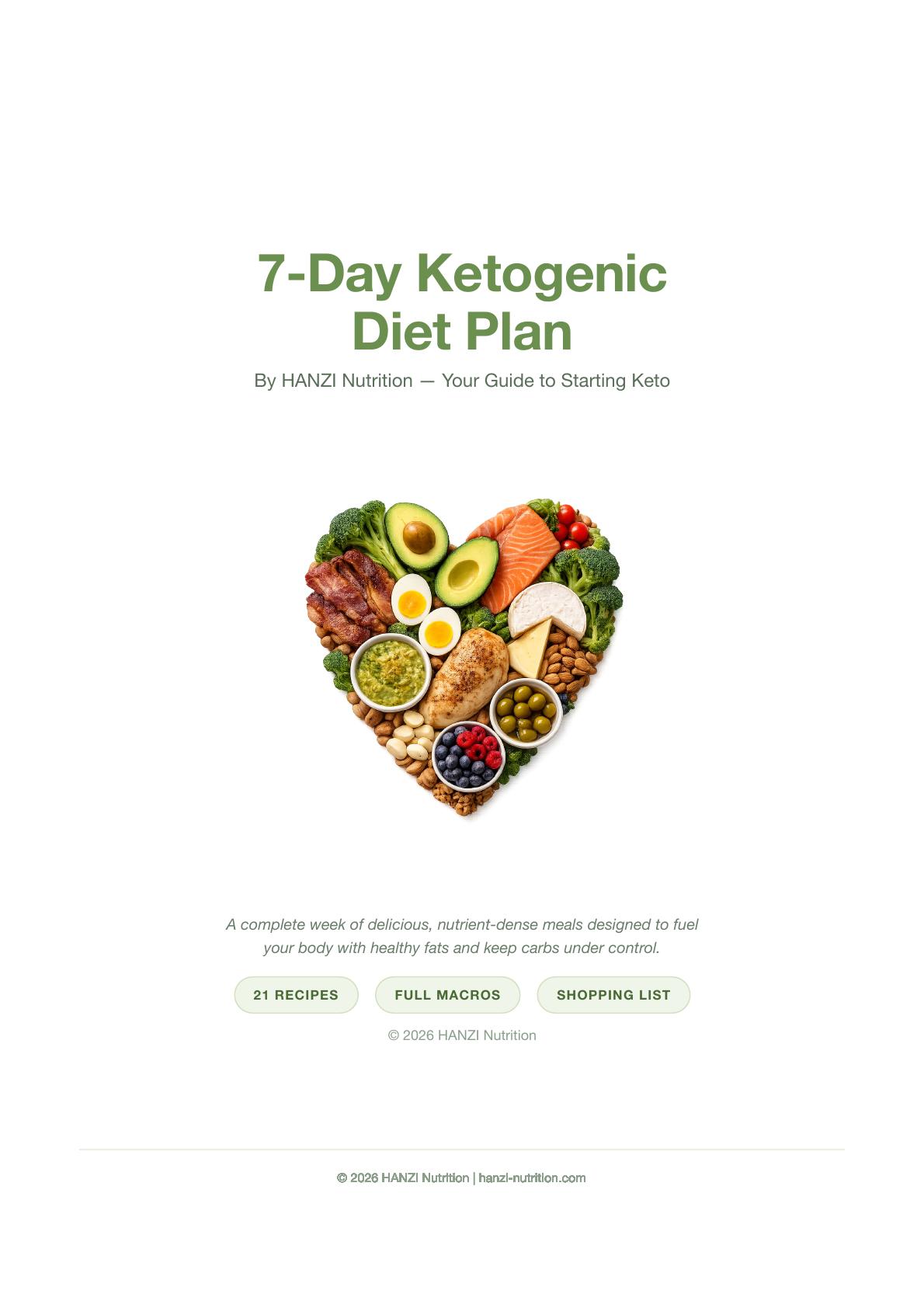
7-Day Keto Plan
€3.99
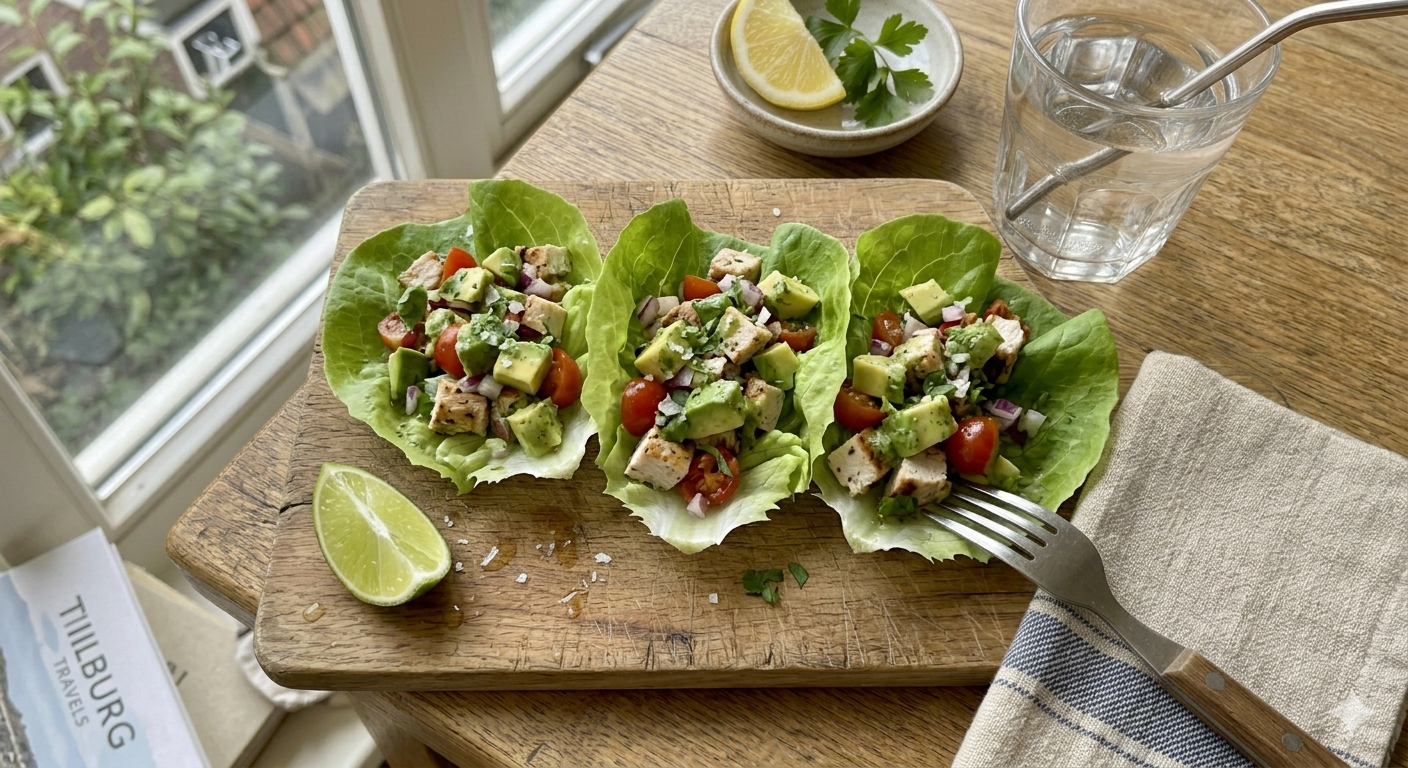
Seven days of ketogenic eating — under 20g net carbs, fat-forward, Mediterranean-inspired. Includes shopping list, macro breakdowns, and tips for managing the first-week keto transition.
1
Secure Payment
Instant Download
Satisfaction Guaranteed
What You'll Get
- Downloadable PDF (33 pages)
- 28 unique recipes (21 mains + 7 snacks)
- 7-day sample rotation
- Weekly shopping list
- Activity-Level Addendum (BMR + portion scaling)
- 5 cited references
From Tugba
Choosing to try a ketogenic week is rarely just about food. You may be testing how your body feels with steadier fuel, or troubleshooting energy and focus, or simply curious about a different way of eating. This 7-day plan is built on a sustainable version of the protocol — real meals, real ingredients, no extreme restrictions. Most people feel the metabolic shift around day three; some take a little longer. Take what works for you, and modify what doesn't.
— Tugba
Plan at a Glance
21 RecipesFull MacrosShopping List
Clinical Foundations
The evidence behind this plan, and what the data does and doesn't show
The ketogenic diet is a high-fat, very-low-carbohydrate eating pattern designed to induce nutritional ketosis — a metabolic state in which the liver produces ketone bodies (acetoacetate, β-hydroxybutyrate) as an alternative fuel to glucose. With carbohydrate intake restricted to below ~20g of net carbs per day, the body shifts within 3–5 days from primarily glucose metabolism to fat-derived ketones for energy.
What the evidence supports
Consistent short-term effects on body weight (largely water in the first week, then fat mass through reduced ad-libitum caloric intake); glycemic control in type-2 diabetes — Hallberg et al. (2018) observed substantial HbA1c reductions over one year; and subjective steady-energy reports once the adaptation period passes. The diet's clinical origins go back to the 1920s in epilepsy treatment, where it remains in use today.
What the evidence does not robustly support
Long-term cardiovascular benefit — most ketogenic studies are short (under one year) and lipid profiles can shift in mixed directions, particularly LDL-C. Claims of unique "fat-burning" properties beyond caloric control aren't supported by isocaloric trials. Effects on physical performance are mixed and depend on the activity (endurance-based vs. power-based).
This plan
Targets approximately 1,800 kcal/day with macros set at roughly 70% fat / 25% protein / 5% carbohydrate. Net carbs per day stay below 20g. The recipes are designed for general adult populations curious about ketogenic eating or seeking a structured low-carbohydrate week. Individual responses vary; if symptoms persist beyond a week, this plan may not be the right fit, and a different dietary pattern is worth considering.
⚠ Who this plan isn’t designed for
This plan isn't designed for: pregnancy or breastfeeding (energy and carbohydrate needs differ markedly and ketones cross the placenta); type-1 diabetes or insulin-dependent type-2 diabetes (risk of diabetic ketoacidosis without supervised medication adjustment); a recent history of disordered eating (restrictive frameworks can be triggering); recent kidney function concerns or chronic kidney disease (higher protein loads may not be appropriate); medication including SGLT2 inhibitors (e.g. dapagliflozin, empagliflozin) — combination with ketogenic eating raises euglycemic DKA risk.
If any of the above applies, please talk with your physician before starting this plan.
If any of the above applies, please talk with your physician before starting this plan.
Tips for Success
- Stay hydrated: Drink at least 2.5–3 litres of water daily. Ketosis increases water loss.
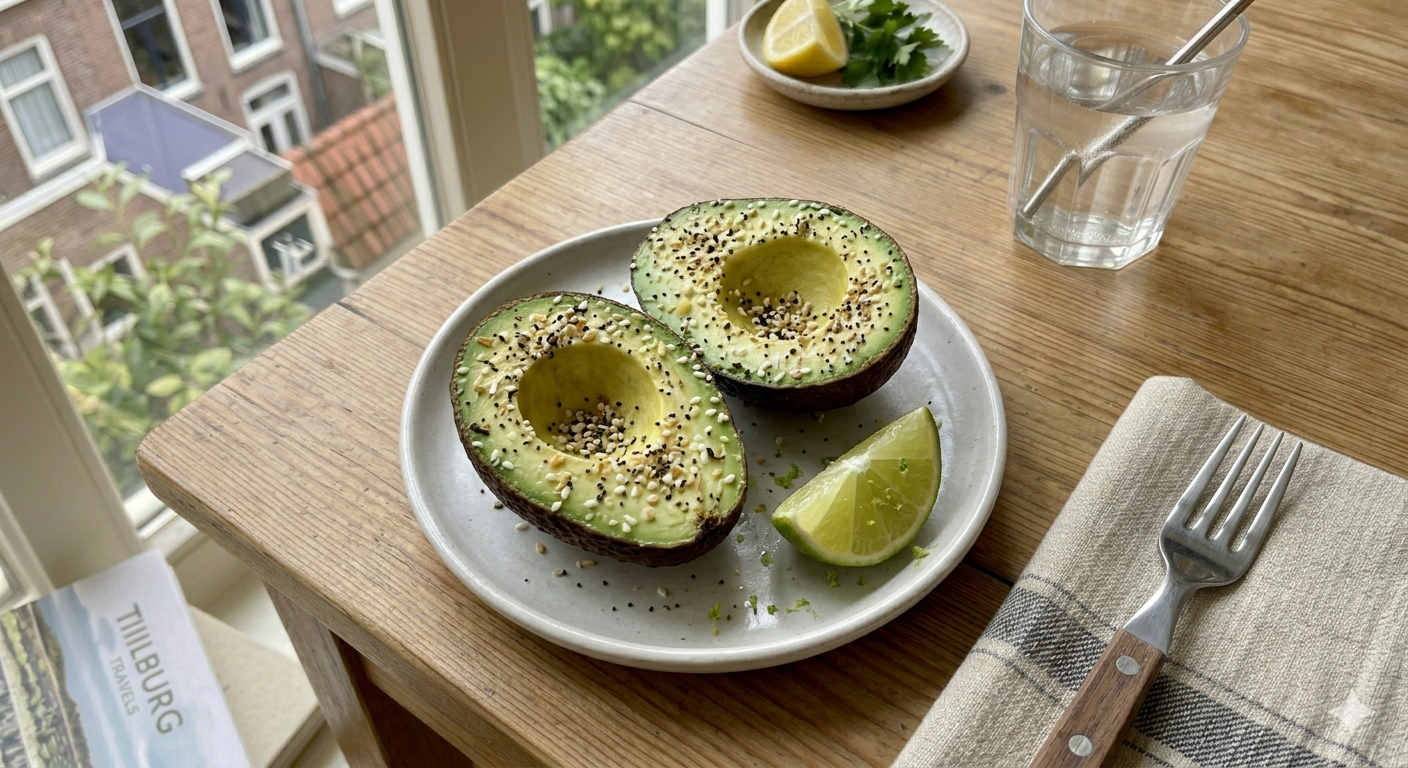
- Replenish electrolytes: Add salt to meals, eat avocados for potassium, and consider a magnesium supplement.
- Meal prep on Sundays: Batch-cook proteins and wash vegetables to save time during the week.
- Read labels carefully: Hidden sugars appear in sauces, dressings, and processed foods.
- Track your macros: Use an app for the first two weeks until you develop an intuitive sense of portions.
- Be patient: It takes 3–7 days for your body to fully adapt. Notice steadier energy from day 4–5 onward.

7-Day Whole30 Sampler Plan
A seven-day Whole30-aligned starter — no added sugar, no grains, no legumes, no ...

7-Day Plant-Based Plan
Seven days of whole-food plant-based eating — legumes, whole grains, leafy green...

7-Day Pescatarian Plan
Seven days of fish-anchored, plant-forward eating. Omega-3-rich, plant-protein-s...
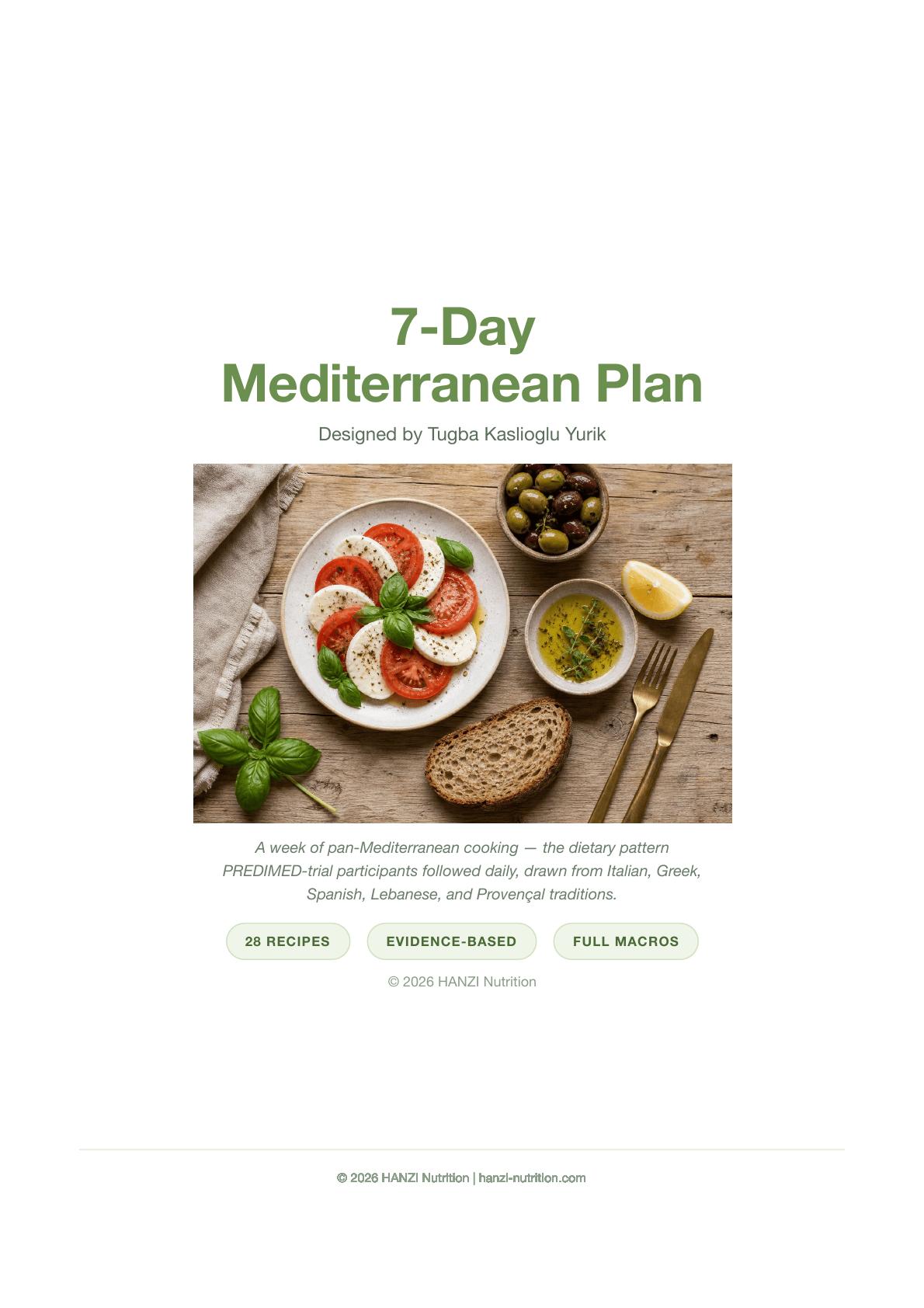
7-Day Mediterranean Plan
Seven days of Mediterranean-pattern eating — olive oil daily, fish twice weekly,...