
FeaturedDigital Download
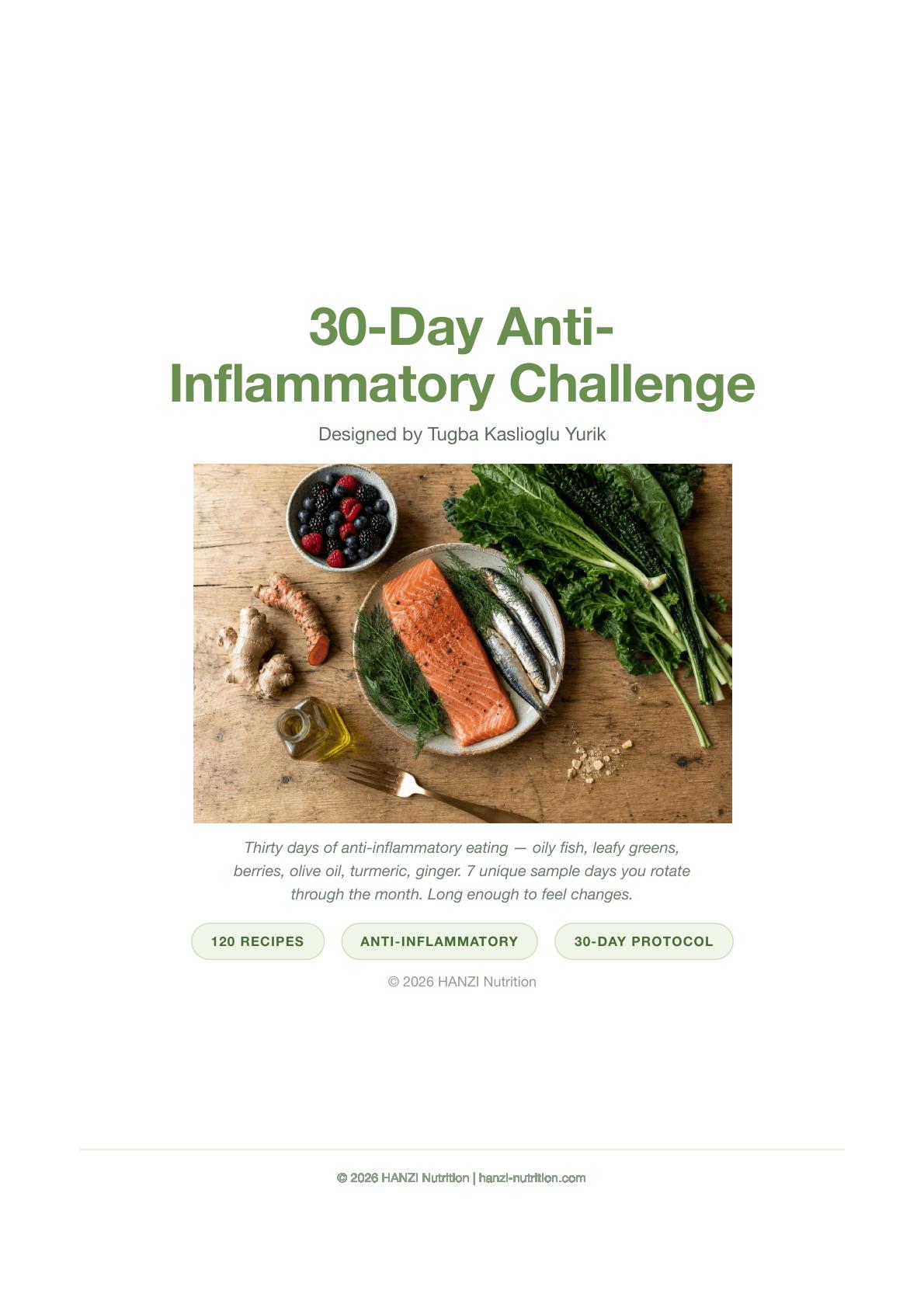
30-Day Anti-Inflammatory Challenge
€5.99
Thirty days of anti-inflammatory eating — oily fish, leafy greens, berries, olive oil, turmeric, ginger — with unique meals for every single day. Long enough for biomarker shifts in research.
1
Secure Payment
Instant Download
Satisfaction Guaranteed
What You'll Get
- Downloadable PDF (107 pages)
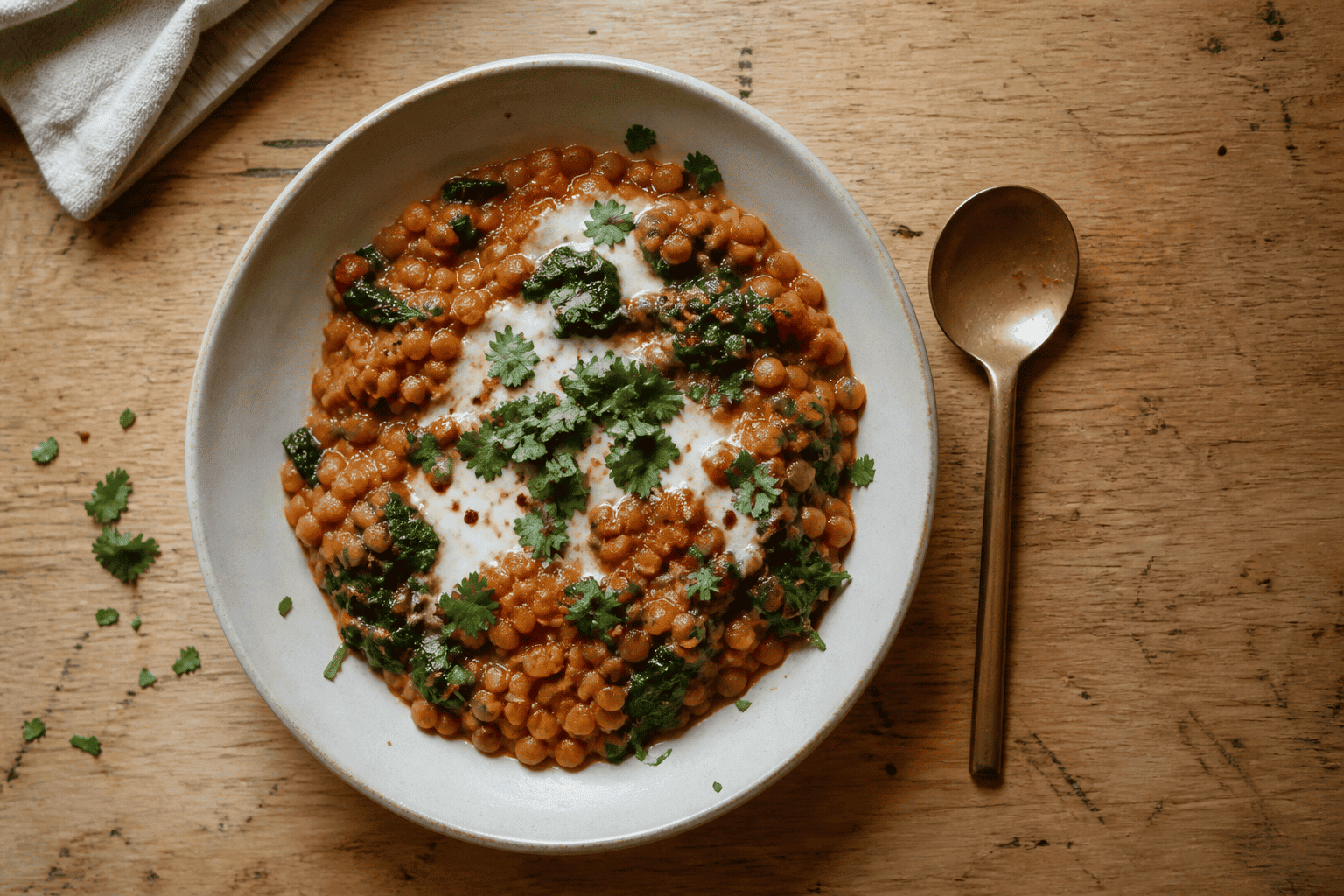
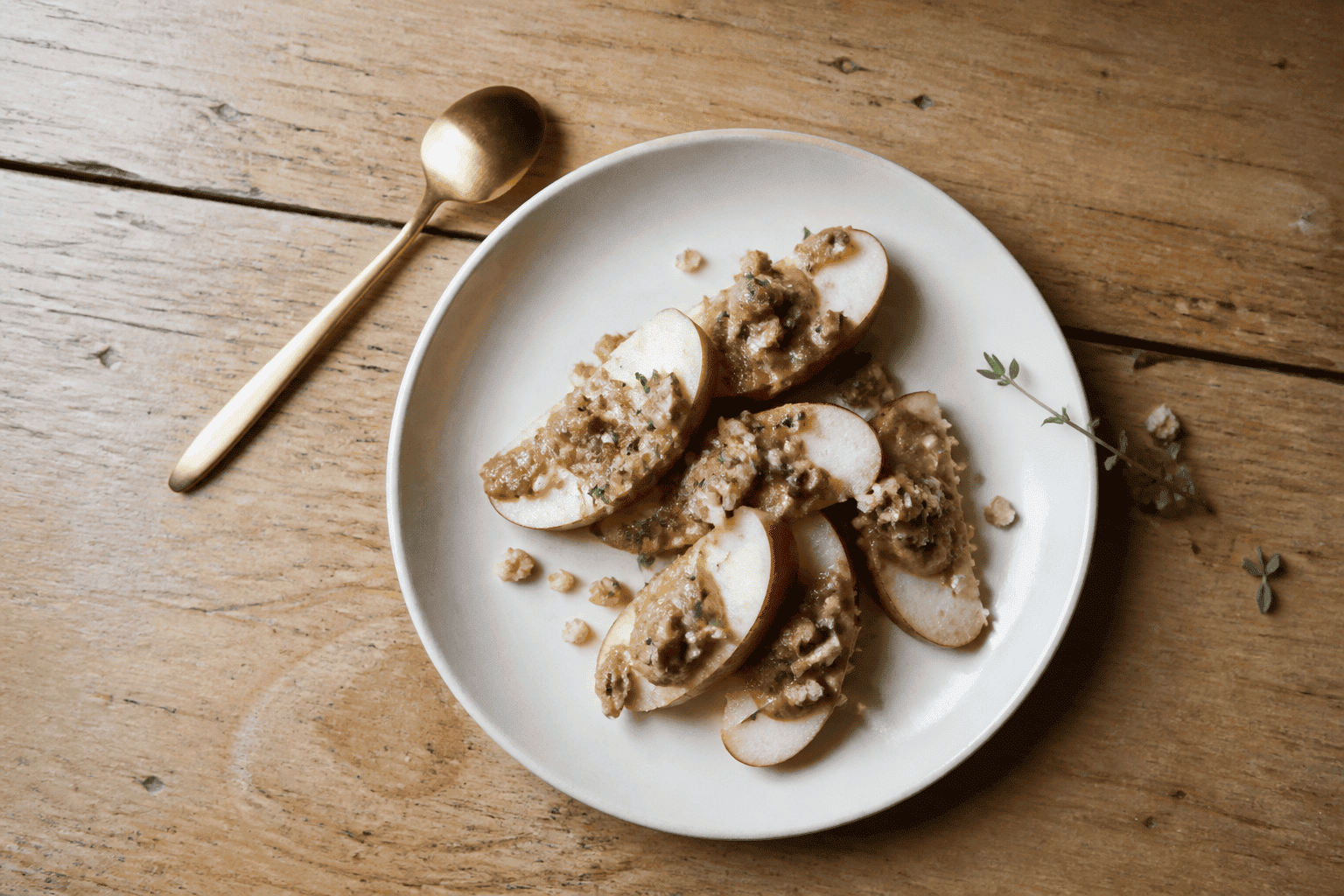
- 120 unique recipes (90 mains + 30 snacks)
- 30-day sample rotation
- Weekly shopping list
- Activity-Level Addendum (BMR + portion scaling)
- Daily tracker (checklist + notes)
- 8 cited references
From Tugba
Thirty days is the minimum window where research shows inflammatory biomarkers (CRP, IL-6) start shifting. These 7 sample days don’t overlap with the 7-day or 3-day anti-inflammatory plans — 28 new recipes. Rotate them through the month: each weekday gets a meal type, weekends are for batch-cooking the next week’s lunches. The pattern compounds. Track how joints, energy, sleep, and skin clarity feel at day 0, day 14, day 30.
— Tugba
Plan at a Glance
Daily macronutrient split
Fat — 35%
Protein — 22%
Carbs — 43%
Target: ~1,700 kcal/day — scaleable via the included Activity-Level Addendum.
120 RecipesAnti-Inflammatory30-Day Protocol
Clinical Foundations
The evidence behind this plan, and what the data does and doesn't show
Chronic low-grade inflammation drives cardiovascular disease, type 2 diabetes, autoimmune flares, and several cancers. Anti-inflammatory dietary patterns — high omega-3, high polyphenol, low refined-sugar, low ultra-processed — reduce inflammatory markers in clinical trials. 30 days is the established window for biomarker effects.
What the evidence supports
Mediterranean-pattern eating reduces CRP and IL-6 in RCTs (Esposito et al., 2004). Omega-3 supplementation reduces inflammation in chronic conditions (Calder, 2017). Berries, leafy greens, olive oil, dark chocolate, green tea show consistent polyphenol effects. Turmeric (curcumin) and ginger have demonstrated joint-inflammation benefits.
What the evidence does not robustly support
No single “anti-inflammatory superfood” works alone — the effect comes from the sustained pattern. CRP changes from diet are modest (5–15%), not dramatic. “Leaky gut” framing common in wellness marketing isn’t robust science. Autoimmune disease responds partially to diet but is not curable by diet.
This plan
Targets ~1,700 kcal/day with macros around 35%F / 22%P / 43%C. Two omega-3 fish meals per week (built into the rotation). Berries and leafy greens daily. Turmeric and ginger in regular use. 7 sample days you cycle for 30.
Protocol Rules
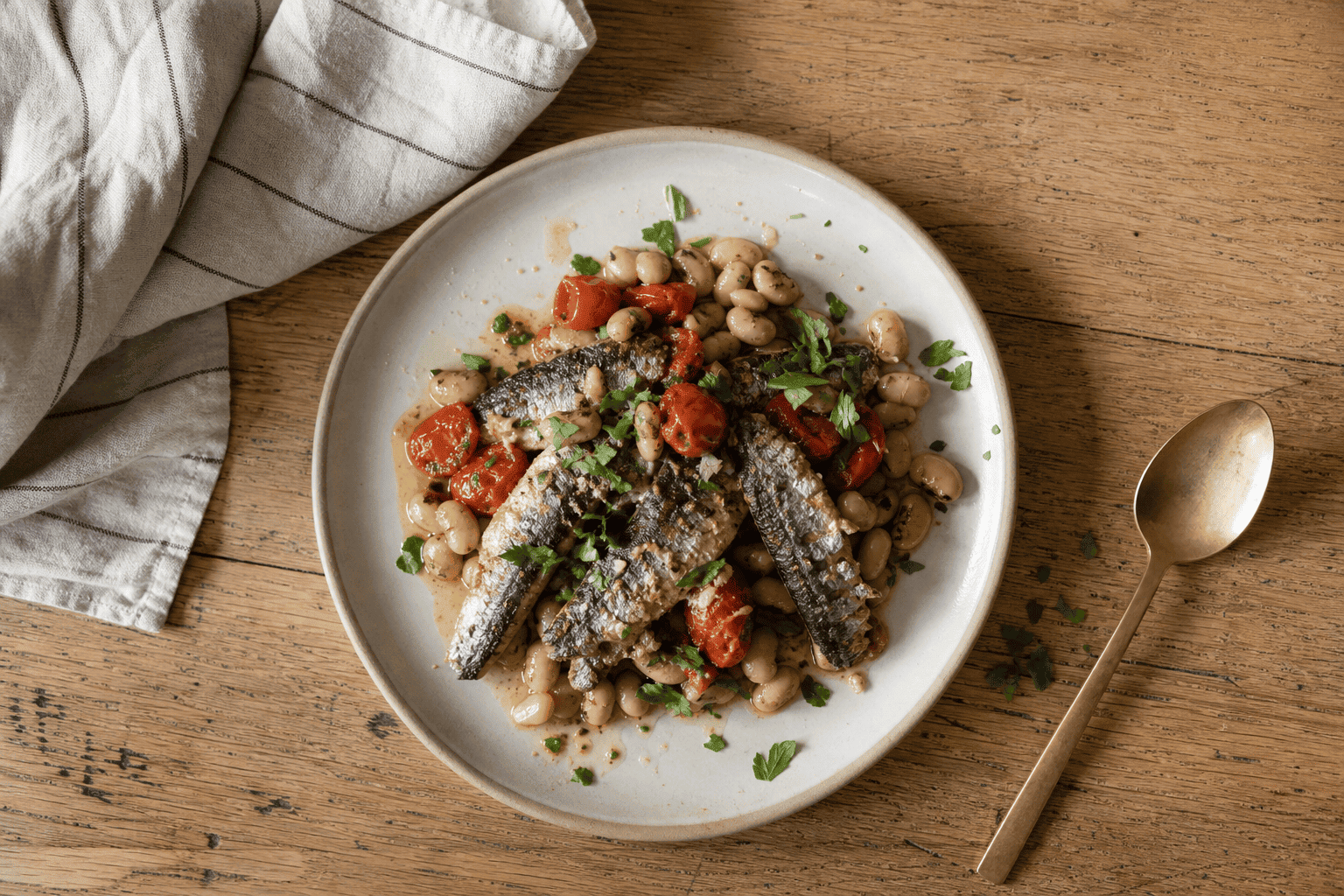
- Oily fish twice per week. Mackerel, sardines, salmon, herring. Frozen is fine.
- Olive oil at every meal. 2–3 tablespoons daily. Drizzle, dress, finish.
- Berries daily. 100–150g. Anthocyanin signal is large and consistent.
- Leafy greens at lunch and dinner. Spinach, kale, rocket, chard, watercress. Wilted, raw, in soups.
- Turmeric and ginger regularly. In cooking. Generous. With black pepper.
- Red meat once a week max. Replace with fish, poultry, legumes.
- No ultra-processed foods. Industrial seed oils, refined sugars, hydrogenated fats out.
⚠ Who this plan isn’t designed for
This plan isn't designed for: warfarin or anticoagulant therapy (turmeric, ginger, fish oil interactions); active autoimmune flare (consult specialist); pregnancy (turmeric food amounts fine, supplements not); eating-disorder history; children.
If any of the above applies, please talk with your physician before starting this plan.
Medication note. If you take prescription medication, please talk with your prescriber before starting. Diet changes can affect how some medications work.
Anticoagulants & antiplatelets. The high intake of leafy greens (vitamin K1) and oily fish (omega-3 anti-platelet effect) in this plan can shift INR or bleeding risk — coordinate any dietary change with your prescriber.
If any of the above applies, please talk with your physician before starting this plan.
Medication note. If you take prescription medication, please talk with your prescriber before starting. Diet changes can affect how some medications work.
Anticoagulants & antiplatelets. The high intake of leafy greens (vitamin K1) and oily fish (omega-3 anti-platelet effect) in this plan can shift INR or bleeding risk — coordinate any dietary change with your prescriber.
Tips for Success
- Oily fish twice a week minimum. Mackerel, sardines, salmon, herring. Omega-3 evidence is the strongest single signal.
- Olive oil daily. 2–3 tablespoons. Polyphenols and oleic acid both matter.
- Berries every day. 100–150g of anthocyanin-rich berries. Frozen works.
- Turmeric needs black pepper. Piperine boosts curcumin absorption substantially.
- Skip ultra-processed. Anything with 5+ unrecognisable ingredients.
- Track at day 0, 14, 30. Joints, energy, sleep, skin. Subjective markers shift before lab CRP.
- Don’t expect dramatic. CRP shifts in research are modest. The point is sustained pattern, not visible transformation.
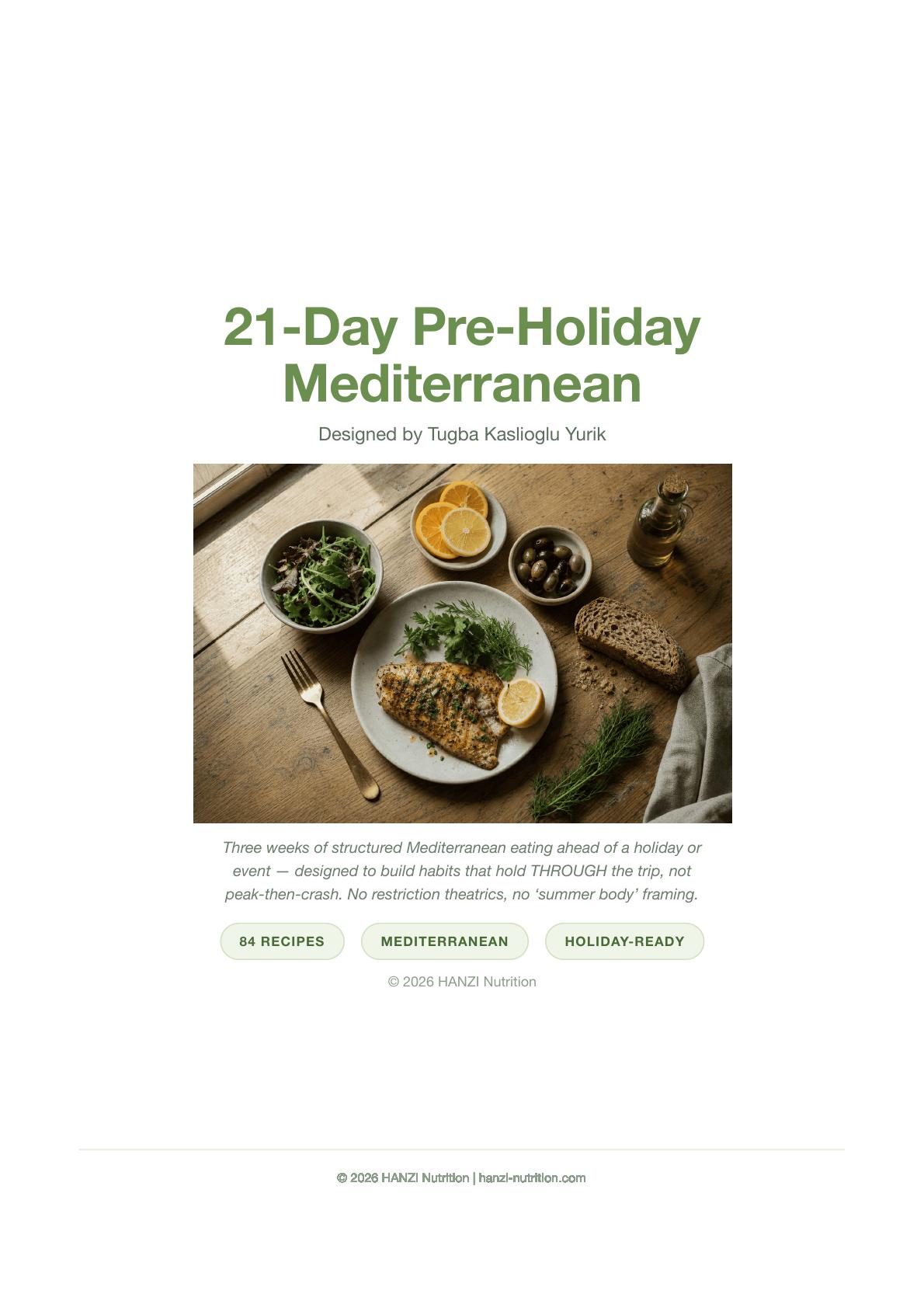
21-Day Pre-Holiday Mediterranean
Three weeks of structured Mediterranean eating ahead of a holiday or event — des...
 Featured
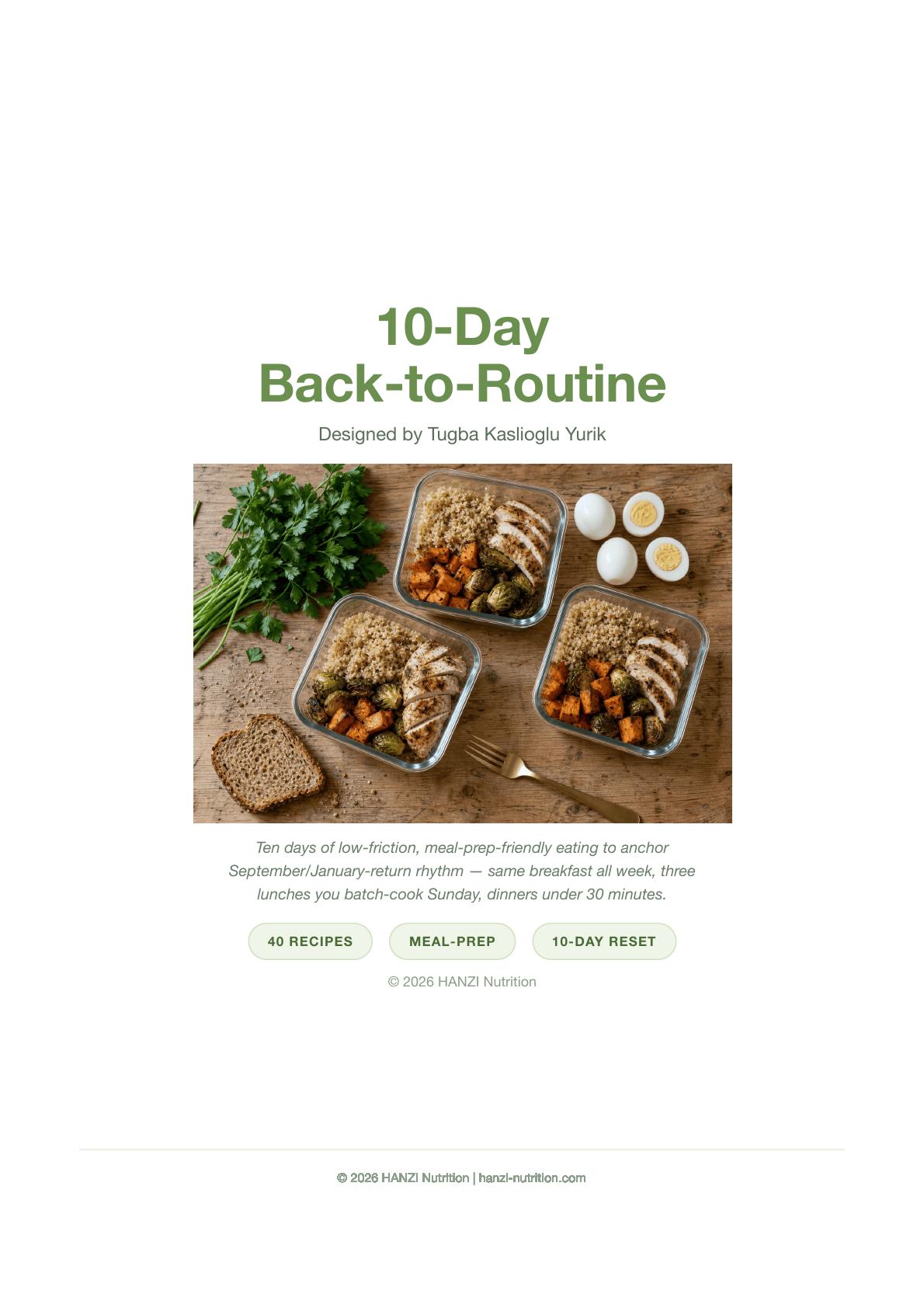
10-Day Back-to-Routine
Ten days of low-friction, meal-prep-friendly eating to anchor September/January-...
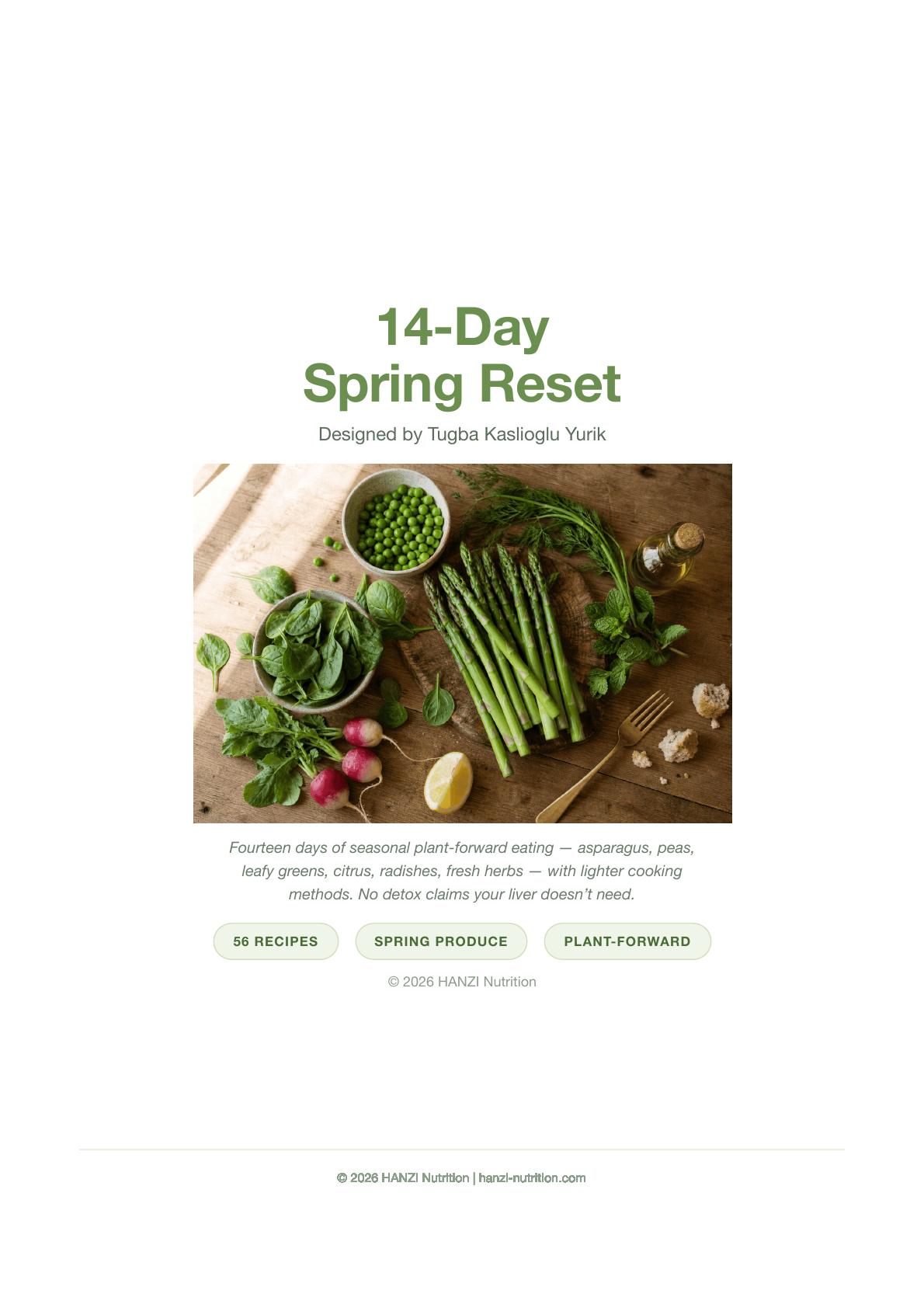
14-Day Spring Reset
Fourteen days of seasonal plant-forward eating — asparagus, peas, leafy greens, ...
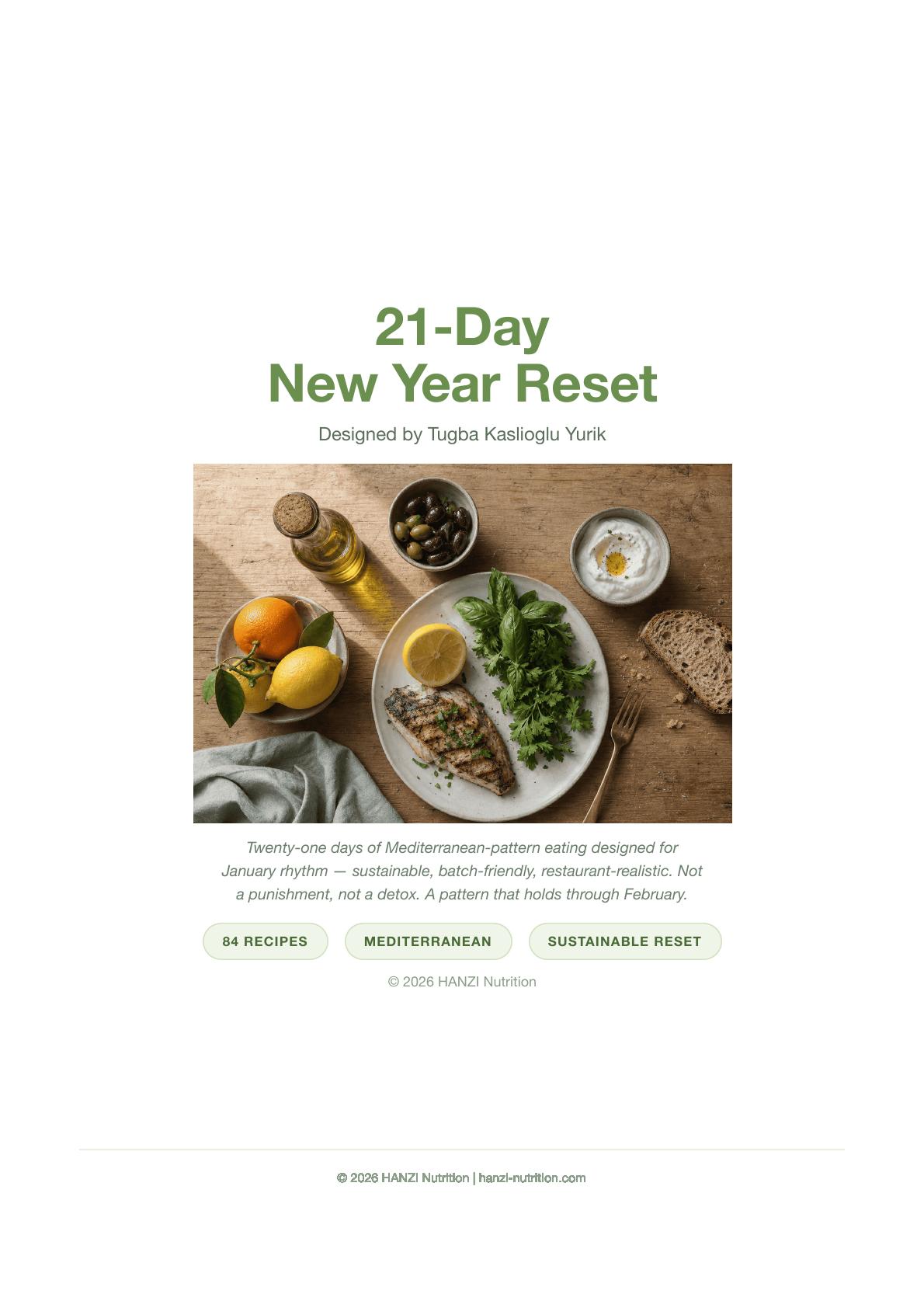
21-Day New Year Reset
Twenty-one days of Mediterranean-pattern eating designed for January rhythm — su...