Protein is still the most searched nutrient of 2026 — and for good reason. From supporting muscle preservation during weight loss to stabilizing blood sugar and reducing cravings, high-protein eating has earned its place at the top of evidence-based nutrition. But the internet is flooded with conflicting advice: How much do you actually need? Which sources are best? And can you eat too much?
As a registered dietitian, I want to cut through the noise and give you a clear, science-backed guide to building a high-protein diet plan that works for your real life.
Why Protein Matters More Than You Think
Protein is not just for gym enthusiasts or bodybuilders. Every cell in your body uses protein. It is the building block of muscles, enzymes, hormones, and immune cells. Beyond structure, dietary protein has unique metabolic advantages:
- It is the most satiating macronutrient, keeping you full longer and reducing overall calorie intake
- It has a higher thermic effect than carbohydrates or fat — meaning your body burns more energy digesting it
- It preserves lean muscle mass during calorie restriction, protecting your metabolism
- It supports stable blood glucose, reducing the energy crashes and cravings that derail many diets
In 2026, with GLP-1 medications reshaping how many people manage weight, protein's role in preventing muscle loss has become even more clinically relevant.
How Much Protein Do You Actually Need?
General recommendations suggest 0.8 grams per kilogram of body weight for sedentary adults — but this is a minimum, not an optimal target. For most of my clients, I recommend:
- Weight loss with muscle preservation: 1.2–1.6 g/kg/day
- Active adults and regular exercisers: 1.4–1.7 g/kg/day
- Older adults (50+): 1.2–1.5 g/kg/day (to offset age-related muscle loss)
- Pregnant or breastfeeding: individualized — please consult a dietitian
For a 70 kg adult aiming for weight loss, that means approximately 90–110 grams of protein per day. That is more than most people are currently eating — and it requires some intentionality.
The Best Protein Sources: Quality Matters
Not all protein is equal. "Complete" proteins contain all essential amino acids your body cannot make on its own. Here is how I typically guide clients:
Animal-based (complete proteins):
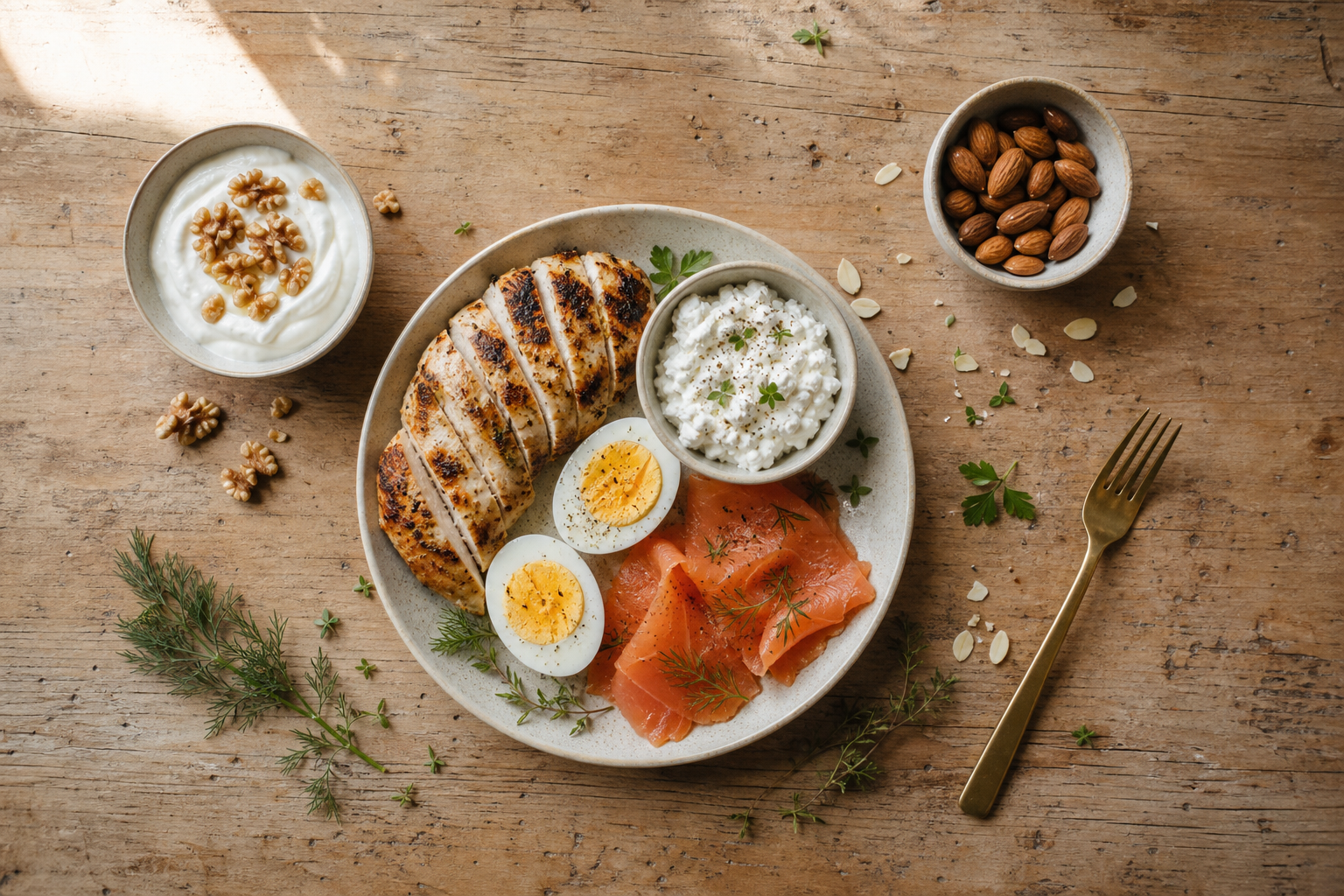
- Eggs — affordable, versatile, and excellent amino acid profile
- Greek yogurt and cottage cheese — high protein, gut-friendly probiotics
- Chicken breast and turkey — lean, mild-flavored, easy to batch cook
- Salmon, cod, tuna — protein plus omega-3s, making them doubly valuable
- Lean beef and lamb — rich in iron and zinc alongside protein
Plant-based (combine for completeness):
- Lentils and chickpeas — also excellent fiber sources (supporting the "fibermaxxing" trend)
- Edamame and tofu — among the most complete plant proteins
- Tempeh — fermented soy with better digestibility than regular tofu
- Hemp seeds, quinoa — complete proteins that work well as meal additions
The current research strongly favors variety. A diet that draws protein from both animal and plant sources tends to deliver the best combination of essential amino acids, fiber, micronutrients, and anti-inflammatory compounds.
Building a High-Protein Day: A Practical Template
Here is an example of how 110 grams of protein can look across a typical day — without resorting to powders or supplements:
Breakfast: Scrambled eggs (3) with smoked salmon on rye toast — ~35g protein
Lunch: Grilled chicken breast with lentil tabbouleh and tzatziki — ~40g protein
Snack: Greek yogurt (200g) with walnuts and berries — ~17g protein
Dinner: Baked cod with chickpea and spinach stew — ~35g protein
Total: ~127g protein — achieved through whole foods, without supplements.
Common Mistakes on High-Protein Diets
Front-loading protein at dinner. Your body can only use a limited amount of protein for muscle synthesis per meal. Spreading protein across three to four meals is more effective than eating a large steak in the evening.
Neglecting fiber. High-protein diets can crowd out vegetables, legumes, and whole grains if not planned carefully. Fiber supports the gut microbiome, keeps digestion moving, and is one of the strongest predictors of long-term health. I always balance high-protein plans with generous plant fiber.
Relying on ultra-processed protein products. Protein bars, shakes, and powders can be useful tools but should not become the foundation of your diet. Whole food protein sources deliver micronutrients and fiber that isolated protein cannot replicate.
Not adjusting for activity and age. Protein needs are not fixed. They shift with your activity level, life stage, health goals, and medical history. A blanket approach rarely works as well as a personalized plan.
Do You Need a Supplement?
For most people eating a balanced, varied diet, protein supplements are not necessary. That said, there are situations where a high-quality whey or plant-based protein powder can help bridge a gap — particularly for athletes, older adults with poor appetites, or people managing specific medical conditions. If you are unsure, this is exactly the kind of question a dietitian consultation can resolve for you.
Is a High-Protein Diet Right for You?
High-protein eating is not right for everyone. People with chronic kidney disease or certain metabolic conditions need to moderate protein intake carefully, under clinical supervision. If you have any existing health conditions, always consult a registered dietitian before making significant dietary changes.
For most healthy adults, increasing protein intake with a focus on whole food sources — while maintaining fiber, healthy fats, and carbohydrate quality — is one of the most impactful single changes you can make to your diet in 2026.
Ready for a Personalized High-Protein Plan?
Generic advice only gets you so far. A dietitian-designed high-protein meal plan is built around your body weight, activity level, food preferences, cooking time, and health goals. At Hanzi Nutrition, I offer online consultations for clients throughout the Netherlands, Germany, Belgium, and Europe — so you get expert guidance, wherever you are.
Book your consultation at hanzi-nutrition.com and let's build a plan that is as specific as you are.
Explore more evidence-based nutrition advice on our nutrition blog, or browse our diet plans.
Written by Tugba Kaslioglu Yurik, Expert Dietitian | Hanzi Nutrition
Published: May 2026